Successful Maiden Flight | Ventus 3E Performance
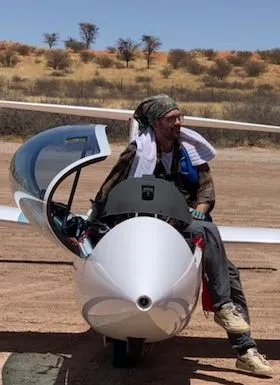
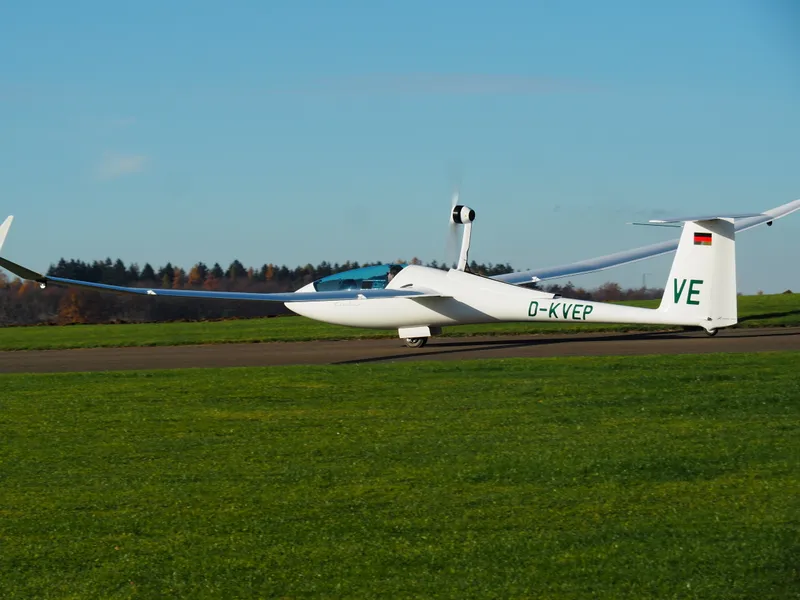
This year, the Ventus 3 has once again proven its position as the top sailplane in the 18m class. First to third place at the international Hahnweide competition, first place at the DM 18m, and first place at the World Grand Prix Final in St. Auban, and many of its qualifications (e.g., SGP Netherlands, SGP Poland). The Ventus-3 also flew to the top in the DMSt, contributing the most flights to the 2025 Bundesliga ranking ahead of the Ventus 2c (2nd place) and the Arcus (3rd place). At the same time, the Ventus 3 enjoys great popularity as an adventure aircraft in popular sports due to its high agility and comfortable flight characteristics.
In addition to the Ventus 3 FES and the Ventus 3 Turbo, which is available in sport and performance versions, the Ventus 3M in particular has contributed to this success, as it fully exploits its advantages especially where very high climb rates are required to connect to thermals (e.g., in many areas of the Alps) or where longer takeoff distances or return flights with the engine are needed.
Schempp-Hirth has now expanded its Ventus fleet with the Ventus 3E Sport, which also received final EASA certification in the middle of the year. Production is in full swing, and Schempp-Hirth is receiving very positive feedback on the noise characteristics, performance, operation, and reliability of the drive system for the aircraft already in use, in addition to confirmation of the usual excellent flight characteristics. This has motivated Schempp-Hirth even more to now also offer the electric version for the Ventus-3 E Performance.
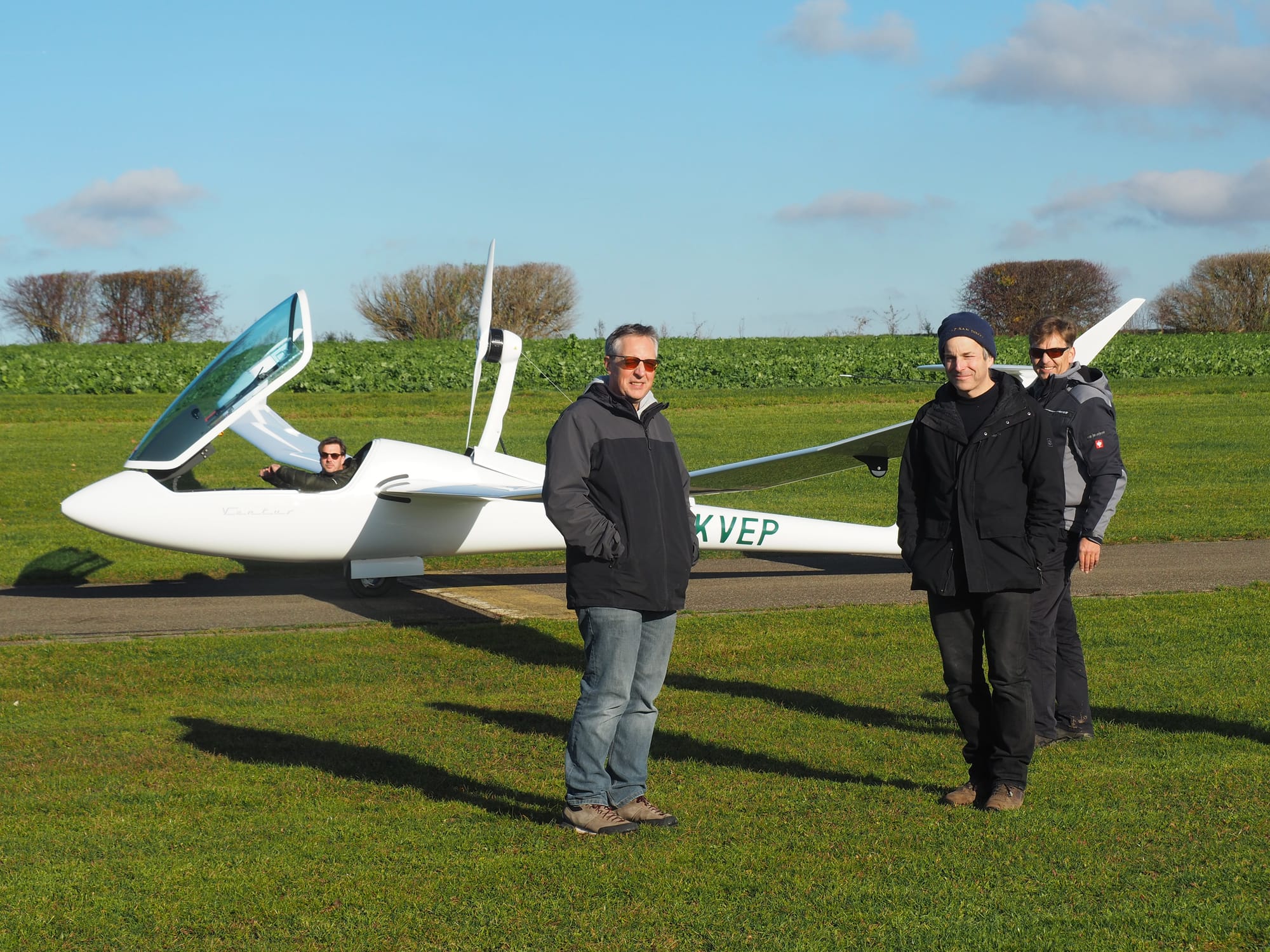
On November 18th, the time had finally come for the maiden flight. With a takeoff distance of approx. 300 m and a climb rate of over 4 m after takeoff, the prototype completed its maiden flight very successfully and impressively demonstrated its operational capability.
The battery capacity of the 39 kW electric propulsion system is sufficient for a climb to 2500 m, leaving enough reserve power for a bridging flight of approximately 100 km after self-launch. The Schempp-Hirth team is delighted with the addition to its fleet.
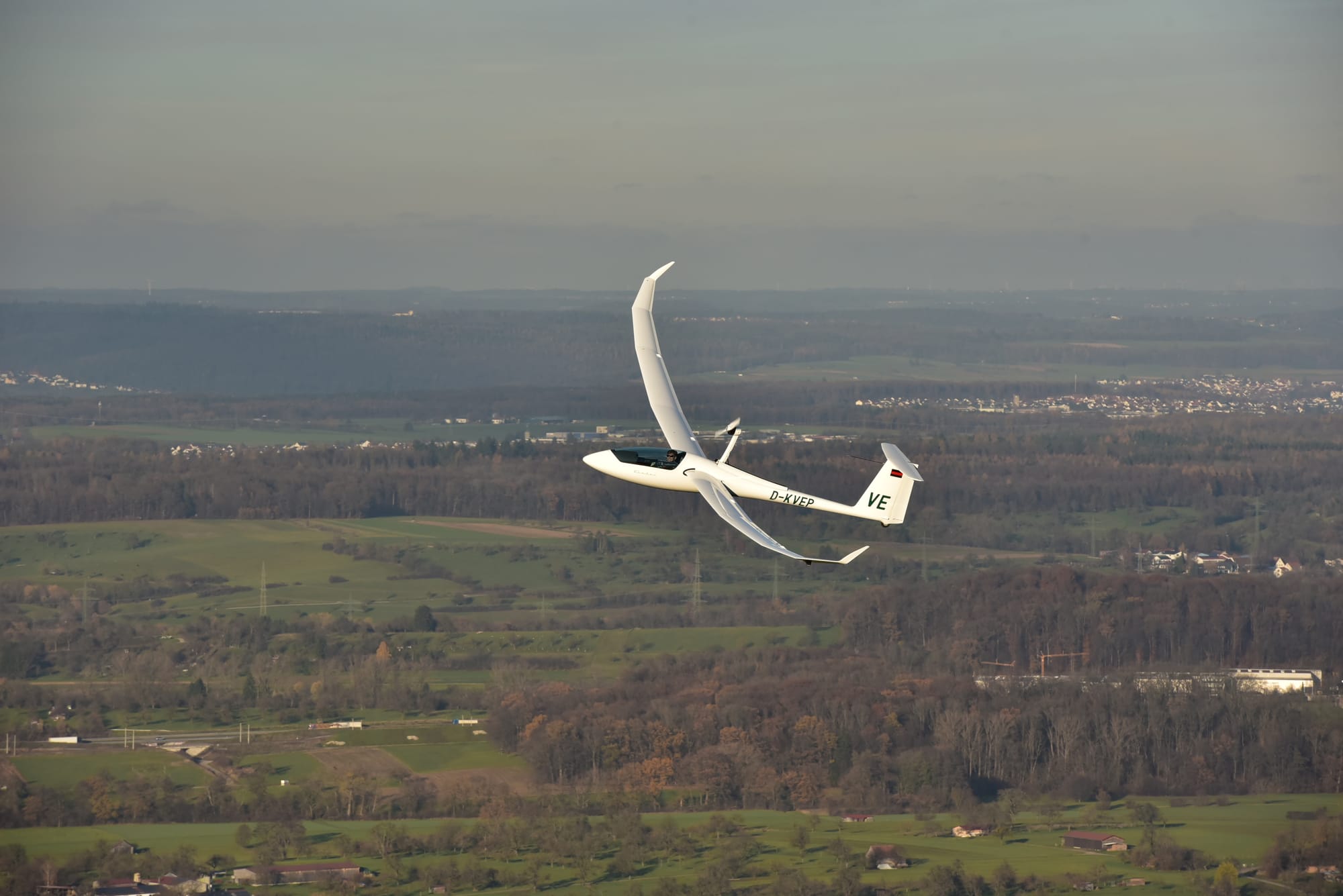
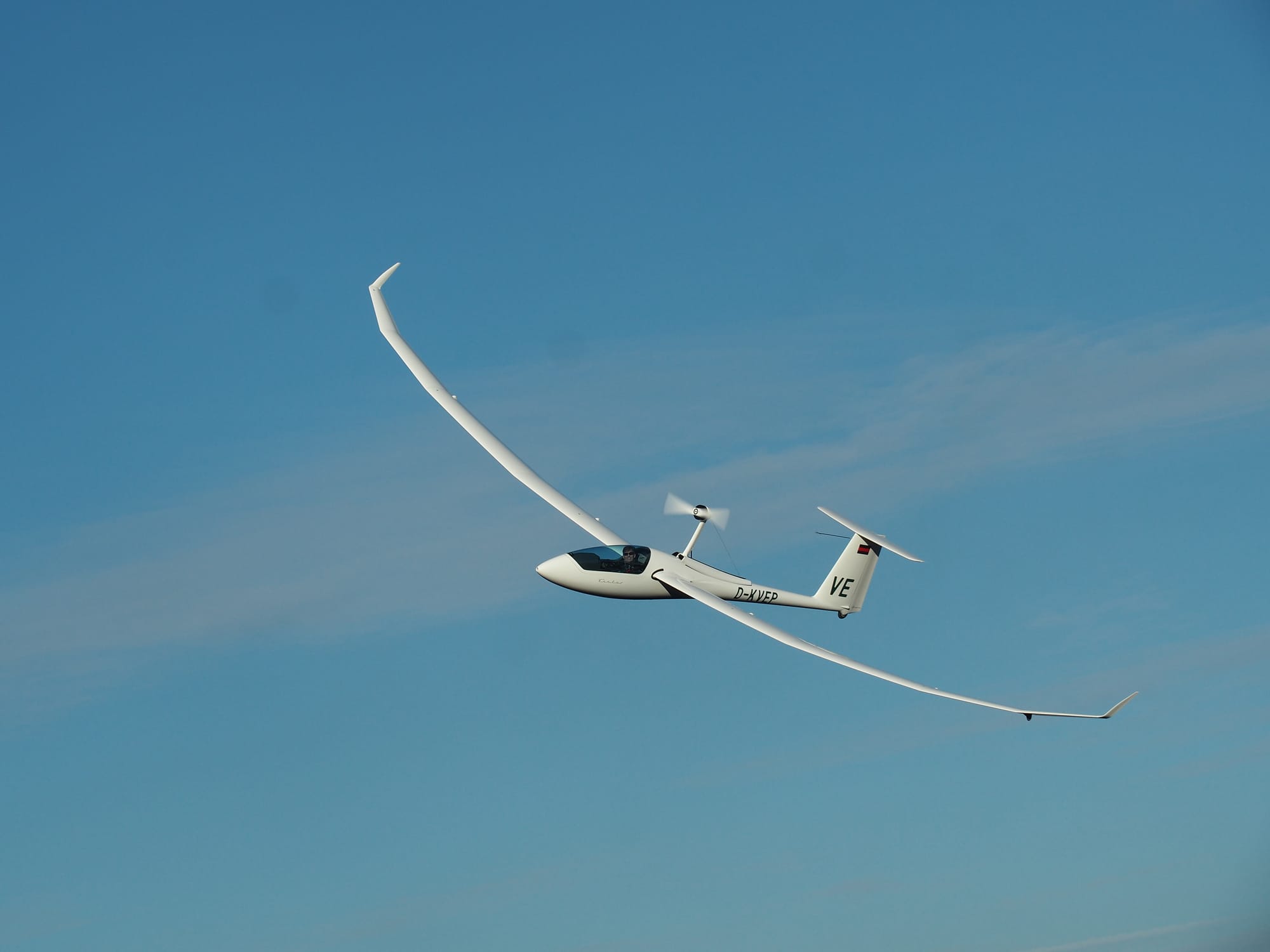
Team WeGlide congratulates Schempp on the maiden flight!
WeGlide. Innovations for the sport. Help us advance gliding:
If you would like to receive articles like this directly via email, you can sign up in your profile.