Jonker Sailplanes | JS3 RES Ready to Fly Again

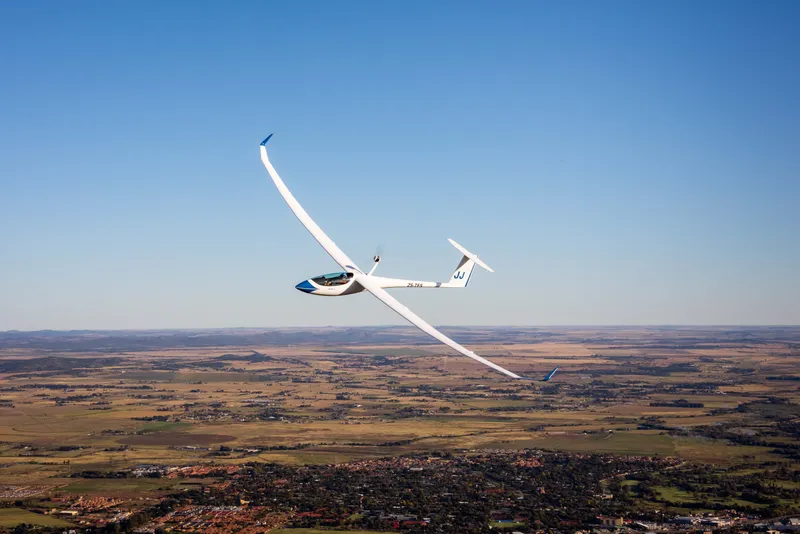
On July 7th of last year, the Emergency Airworthiness Directive (EAD) 2025-0136-E went into effect. For all JS3 RES gliders, this meant that use of the electric propulsion system was prohibited until further notice. In the meantime, the uncertainties have been cleared up and the problems solved. We speak with Uys Jonker to get firsthand insight.
It seems the resolution of the JS3 RES EAD took longer than expected. What challenges held up the process?
Uys Jonker: The complexity arose from coordinating multiple stakeholders: SOLO (engine type certificate holder), JS (operator and system integrator), M&D (airframe type certificate holder), and EMECTRIC (batteries). After initial testing, multiple issues were identified. A primary issue was the water-cooling system; the original design did not allow pilots to inspect the water level or automatically purge trapped air, leading to potential flow interruptions and overheating. We redesigned this with a translucent reservoir and automatic purging, which required extensive flight testing. Another challenge was Electromagnetic Interference (EMI). While bench testing allowed optimal cable routing, aircraft installation imposed spatial limitations, changing how EMI affected the system. During a production test flight, EMI caused the controller to misinterpret signals and shut down unexpectedly. Resolving this required software updates to tolerate EMI spikes, improved wiring and grounding, a secondary manual circuit breaker, and a "watchdog" software feature that prevents false shutdowns.
Will this require a physical retrofit for all existing JS3 RES owners?
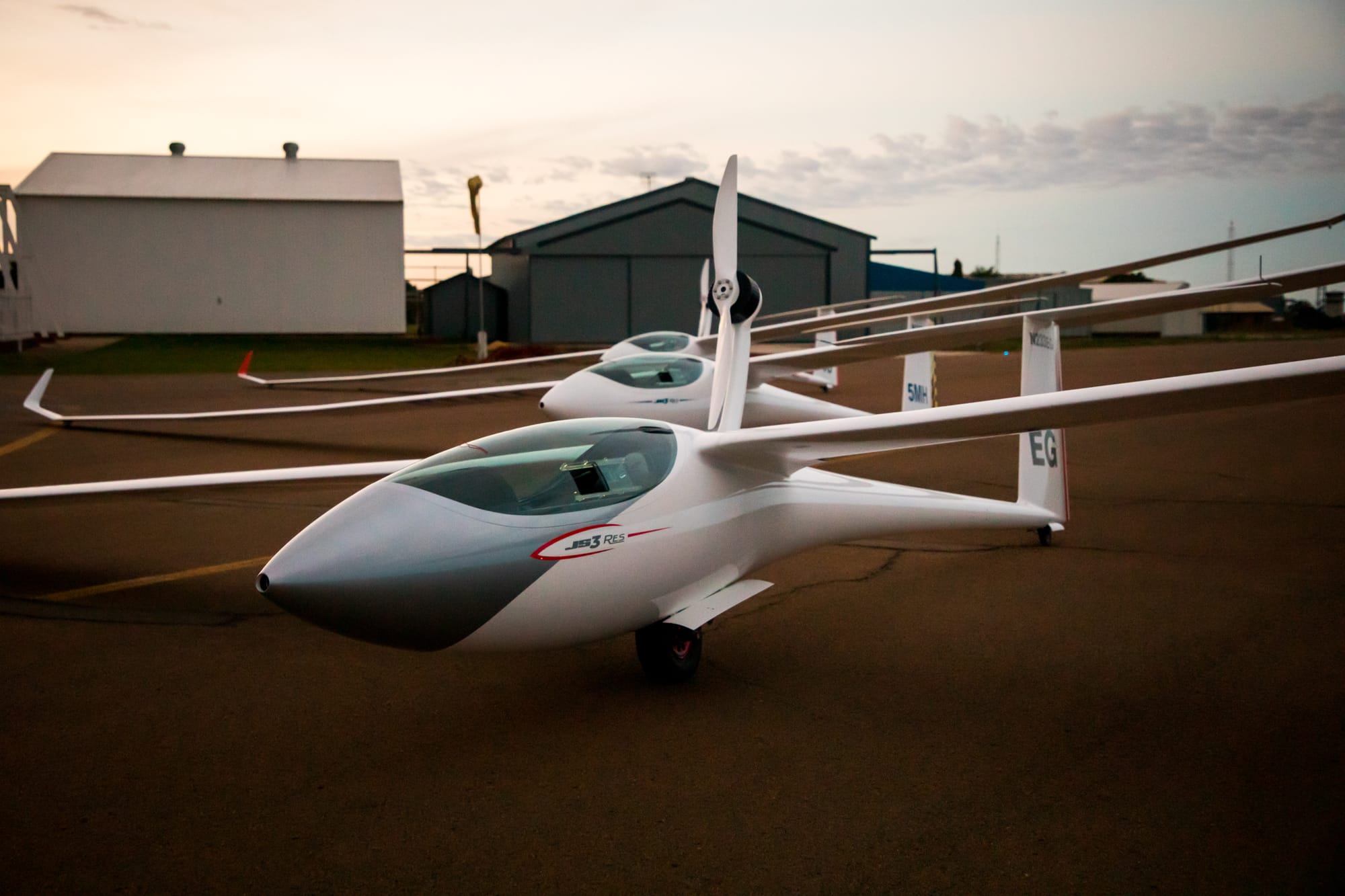
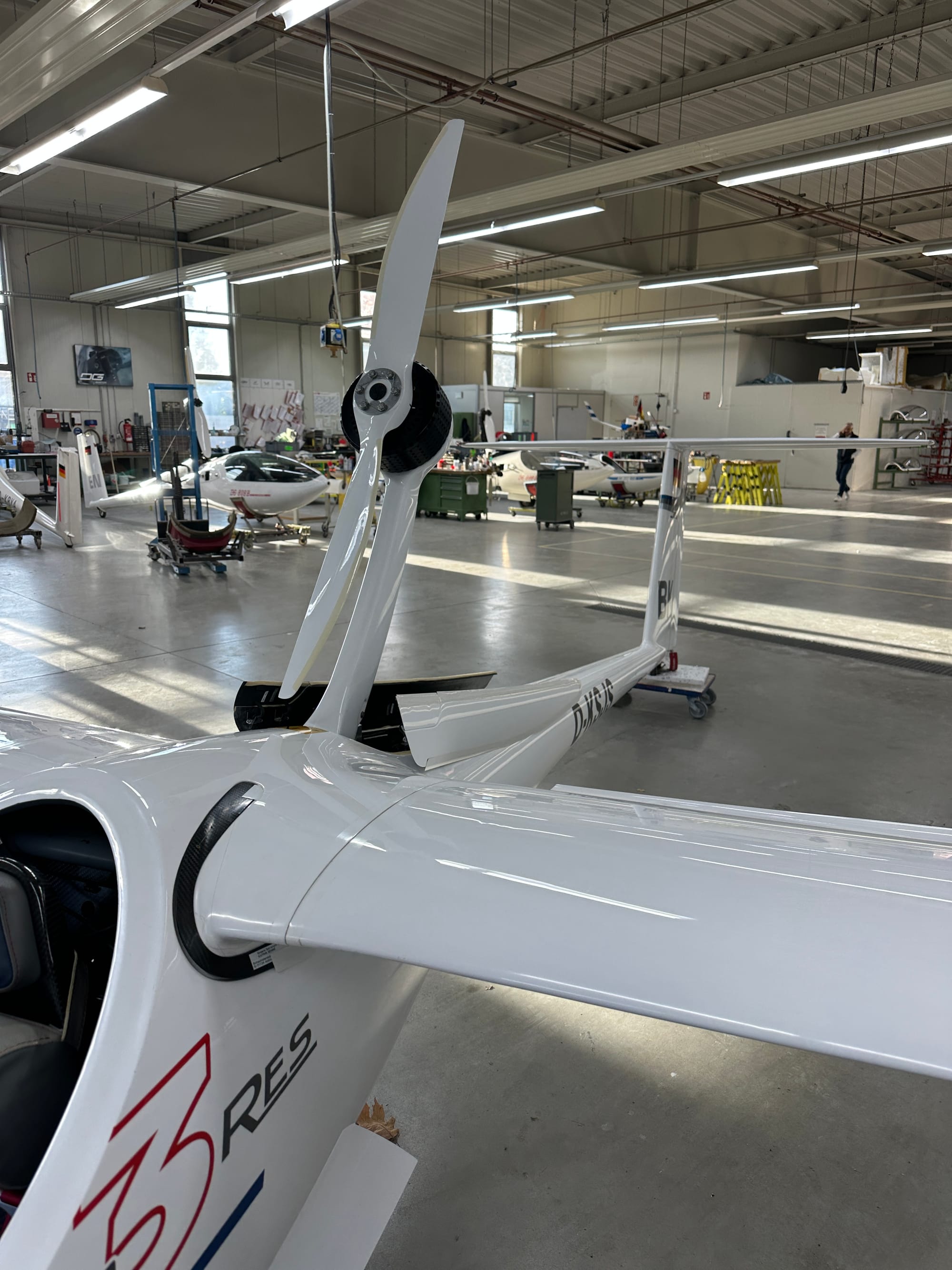
Yes, every JS3 RES will require the EMI update. This involves increasing cable sizes and improving grounding to reduce EMI. A secondary circuit breaker is added so pilots can manually switch off the motor controller. Additionally, a major software upgrade makes the system much more robust against transient errors. All aircraft with water-cooled systems must also receive the updated reservoir for automatic purging. With any first-generation system, receiving updates as the software matures is necessary and normal.
How long should owners roughly plan for the retrofit of the cables, fuse, and control unit for the JS3 RES? Where can it be done, and what are the approximate costs?
The retrofit takes about one day to complete and can be performed at any approved maintenance and service provider. In Europe, M&D and DG Aviation in Germany are fully equipped for this. Alternatively, it can be done on-site; service partners have previously sent trained personnel to perform multiple installations in a single visit to maximize efficiency. Parts are provided by JS at no cost to the customer, and labor pricing aligns with a standard one-day service.
How many JS3 RES are already in the field?
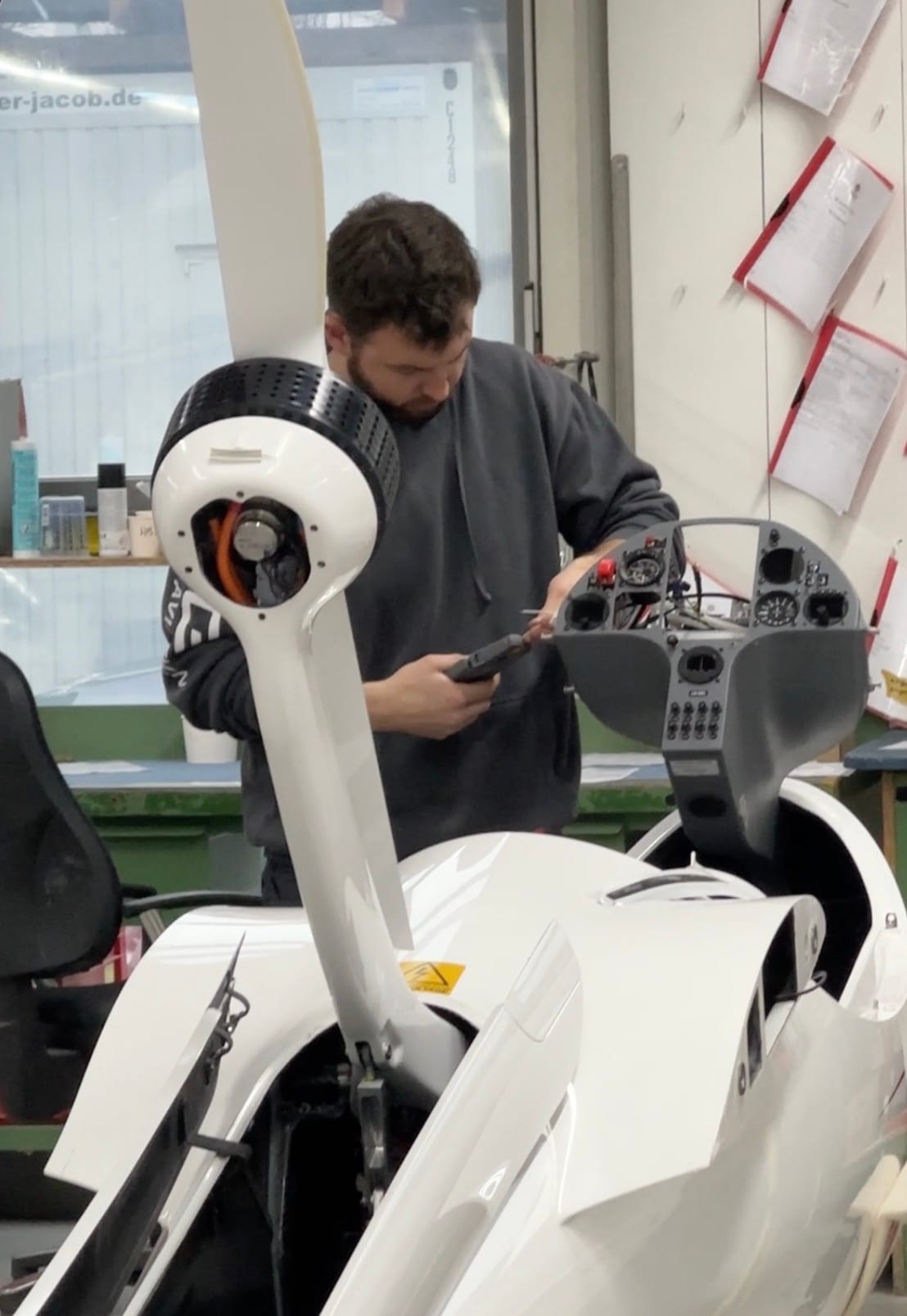
There are currently about 150 JS3 RES gliders flying, with roughly 100 in Europe, split between air-cooled and water-cooled versions. Across this fleet, we have recorded approximately 6,000 engine starts. There have been five reported malfunctions, two of which were officially reported to authorities (one involving minor aircraft damage, and another involving an in-flight system failure resulting in a safe landing). Statistically, five failures out of 6,000 starts is low, but as a manufacturer, our goal remains zero failures.
With the upgrades now made to the SOLO RES engine, will this benefit other manufacturers using the same system?
Absolutely. The improvements and lessons learned are available to other manufacturers. SOLO has issued the software upgrade via a service bulletin, allowing other manufacturers to decide whether to make it mandatory. For JS, it is strictly mandatory to resolve the EAD, as reliability and safety are the absolute priorities.
What caused the biggest delays in resolving the EAD?
Flight testing was the most time-consuming phase. Every modification had to be validated under real conditions during the European winter. This required constantly waiting for narrow weather windows with low wind, acceptable temperatures, dry runways, and safe flying conditions. Flight testing complex systems in winter significantly protracts the validation timeline.
Did the EAD also delay the type certification of the JS2 and JS5?
Yes, the EAD delayed the type certification of the JS2 and JS5. Our highest priority is always the safety and continued airworthiness of existing customers. Engineering resources were redirected to solve the EAD. Support from our European partners—M&D, SOLO, and DG—was invaluable during this period, as teams paused other work and focused entirely on solving the propulsion problem together.
You can read more about current projects, like the new JS4 Standard Class glider and the low-vibration SOLO 2625 engine innovation, in the previous WEGlide article. LINK…
Thank you very much for the insights!
WeGlide. Innovations for the sport. Help us advance gliding:
If you would like to receive articles like this directly via email, you can sign up in your profile.
 Jens Kammerer