Pushing the Limits | Record Season in Facts and Figures

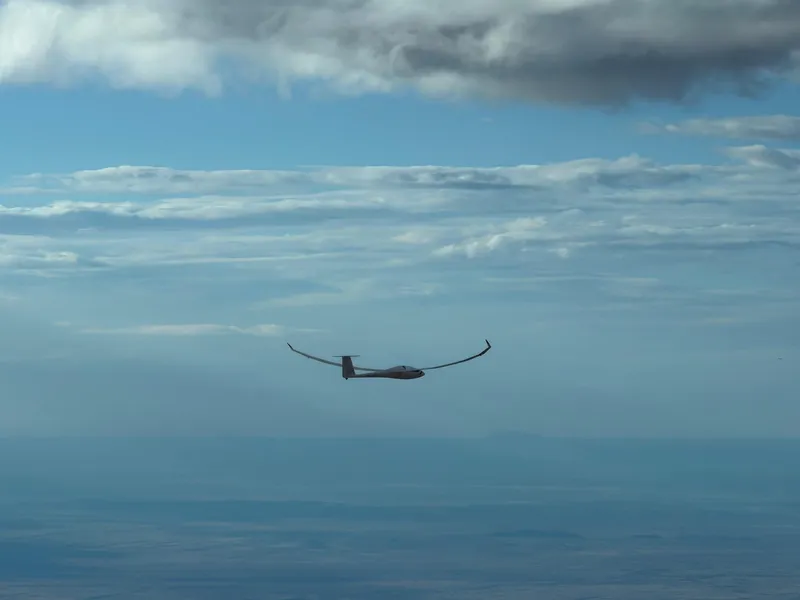
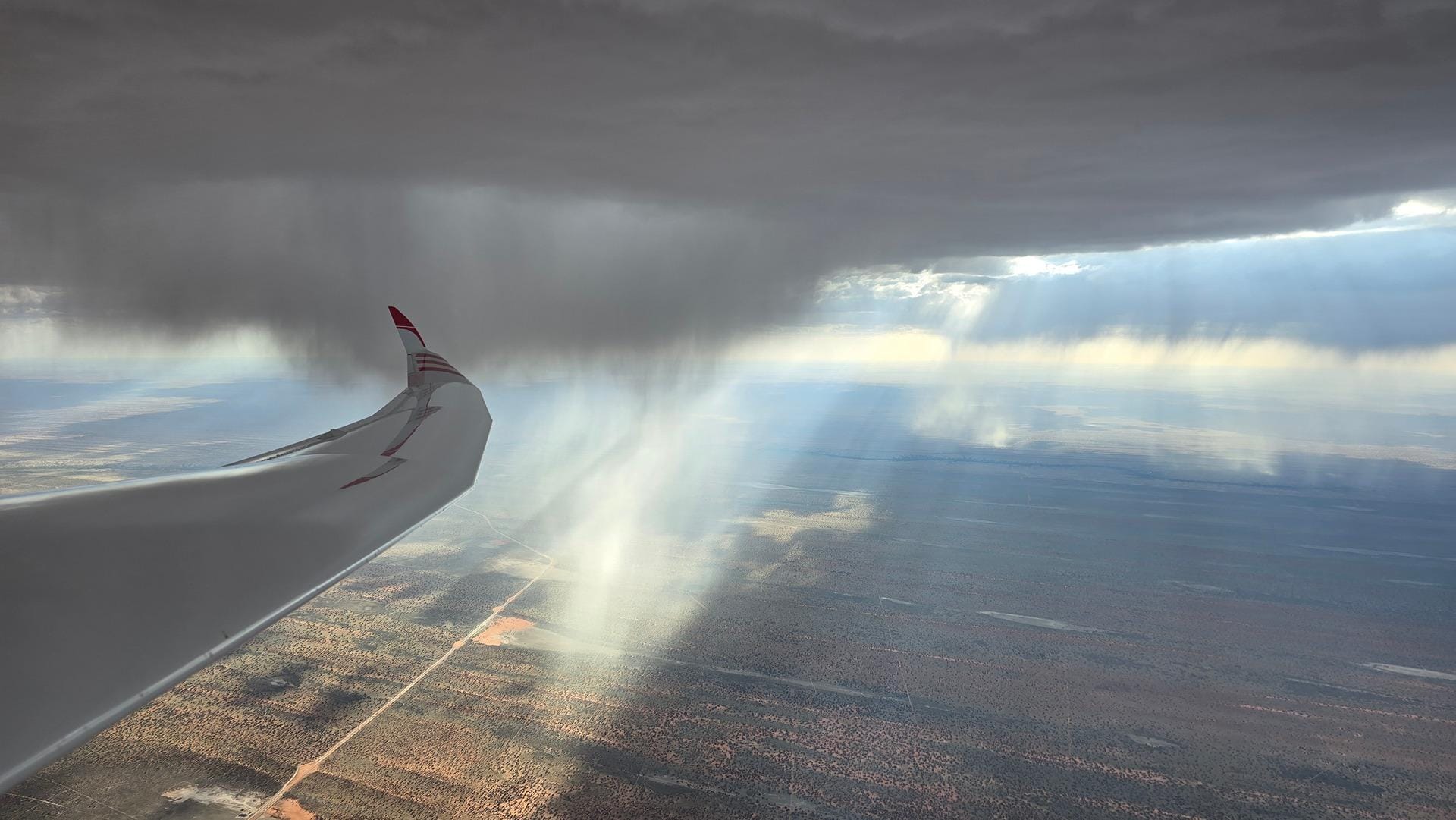
The reason for a report on the 2026 season is a simple one. For the first time, flights over Namibia between October and January exceeded the 2-million-point mark! We want to shortly highlight this record with a few statistics, impressions, and statements from successful pilots.
General
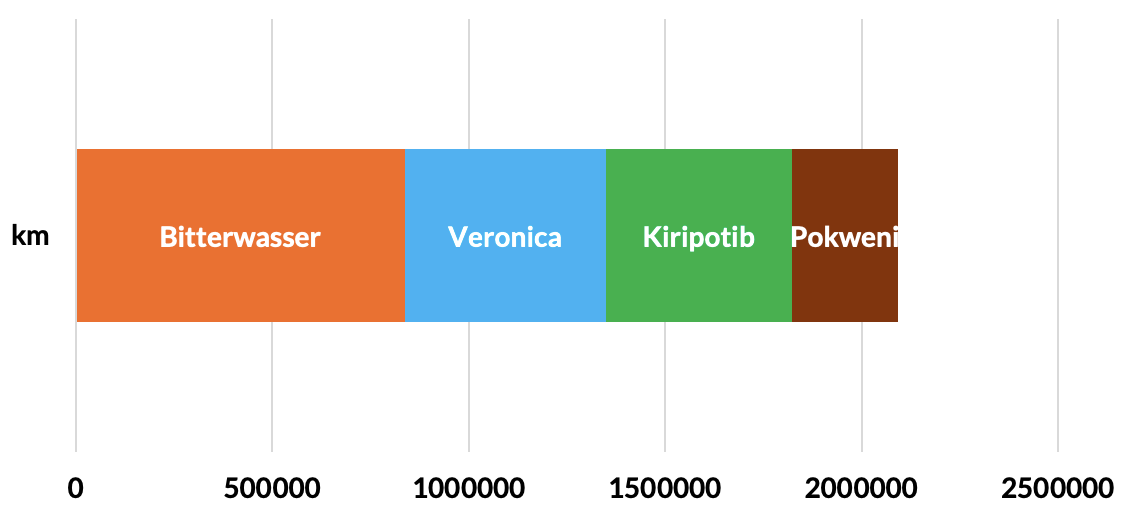
This year, pilots collected 2.09 million flight kilometers across 2,889 flights from the four launch sites: Bitterwasser, Kiripotib, Pokweni, and Veronica. This is remarkable, as it represents an impressive 19% increase in the number of flights compared to the previous season and an 11% increase in total flight kilometers. Similarly, the number of flight hours rose from just under 16,000 to well over 18,000.
When we look at the distribution of flight kilometers across the four launch sites, we see the following picture:
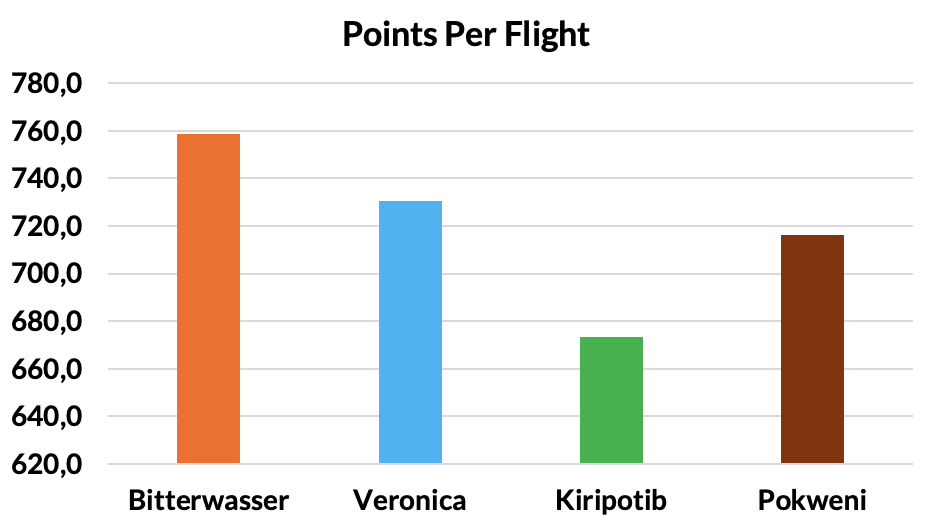
The points per flight are more evenly balanced:
The Magic Milestone
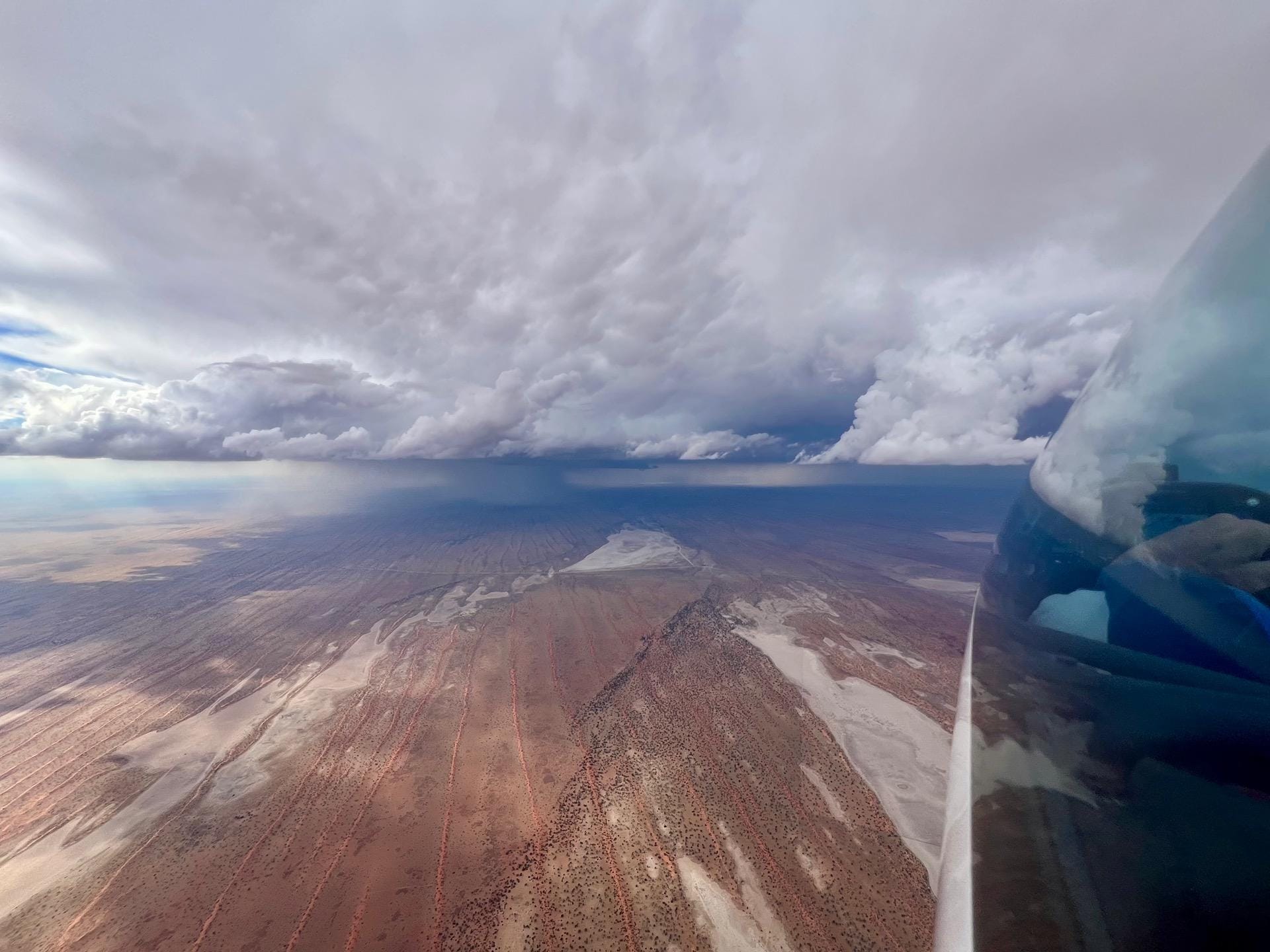
The 1,000 km mark was broken a total of 594 times—meaning nearly every fifth flight achieved a four-digit result. 7% of all flights (203) exceeded 1,100 km. The 1,200 km mark was surpassed 60 times. Only half a percent of all flights managed more than 1,300 km (17). 1,400 km or more were achieved in only three flights. More on the likelihood of a 1,500 km flight in the coming years later.
Equipment
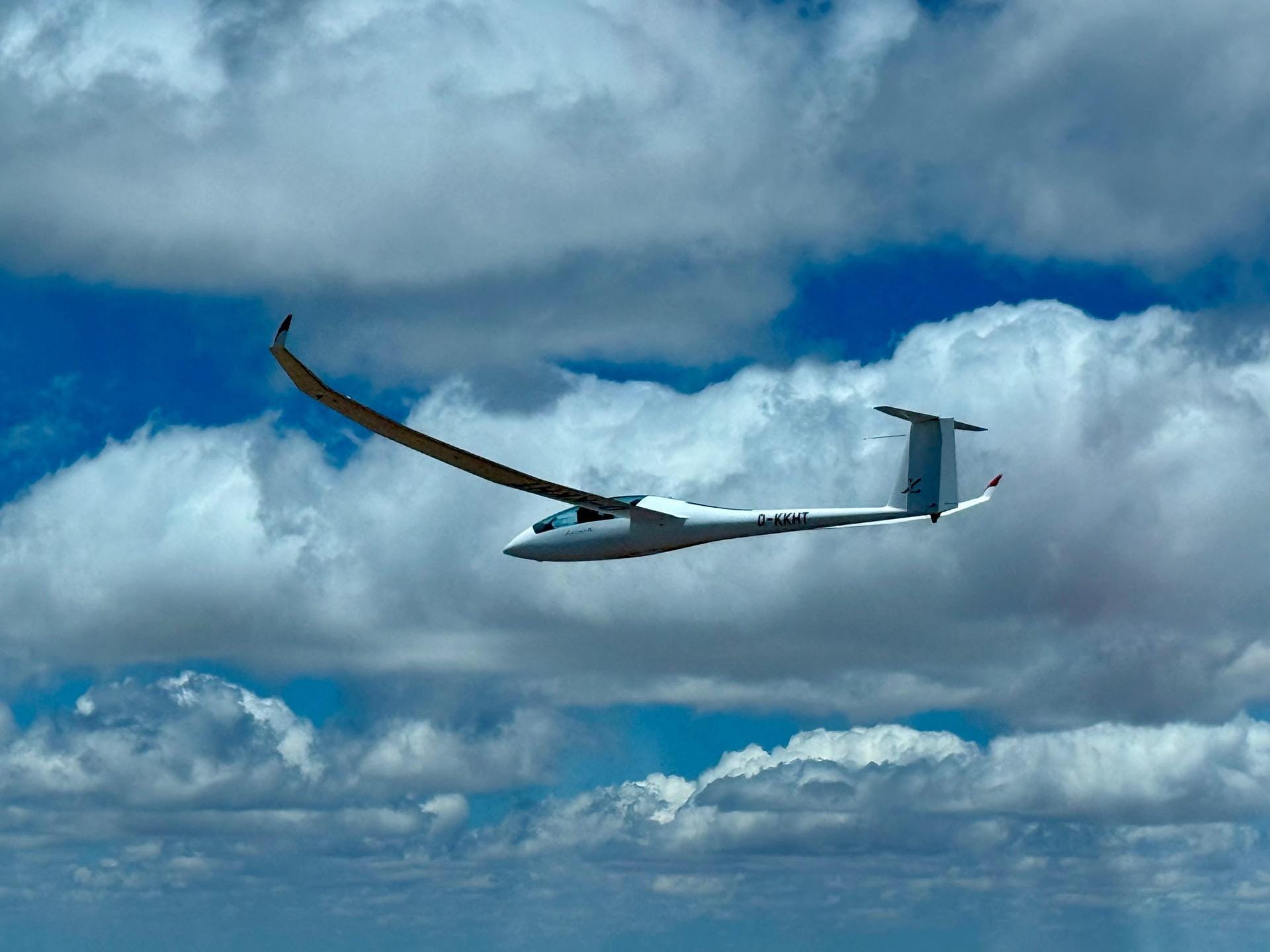
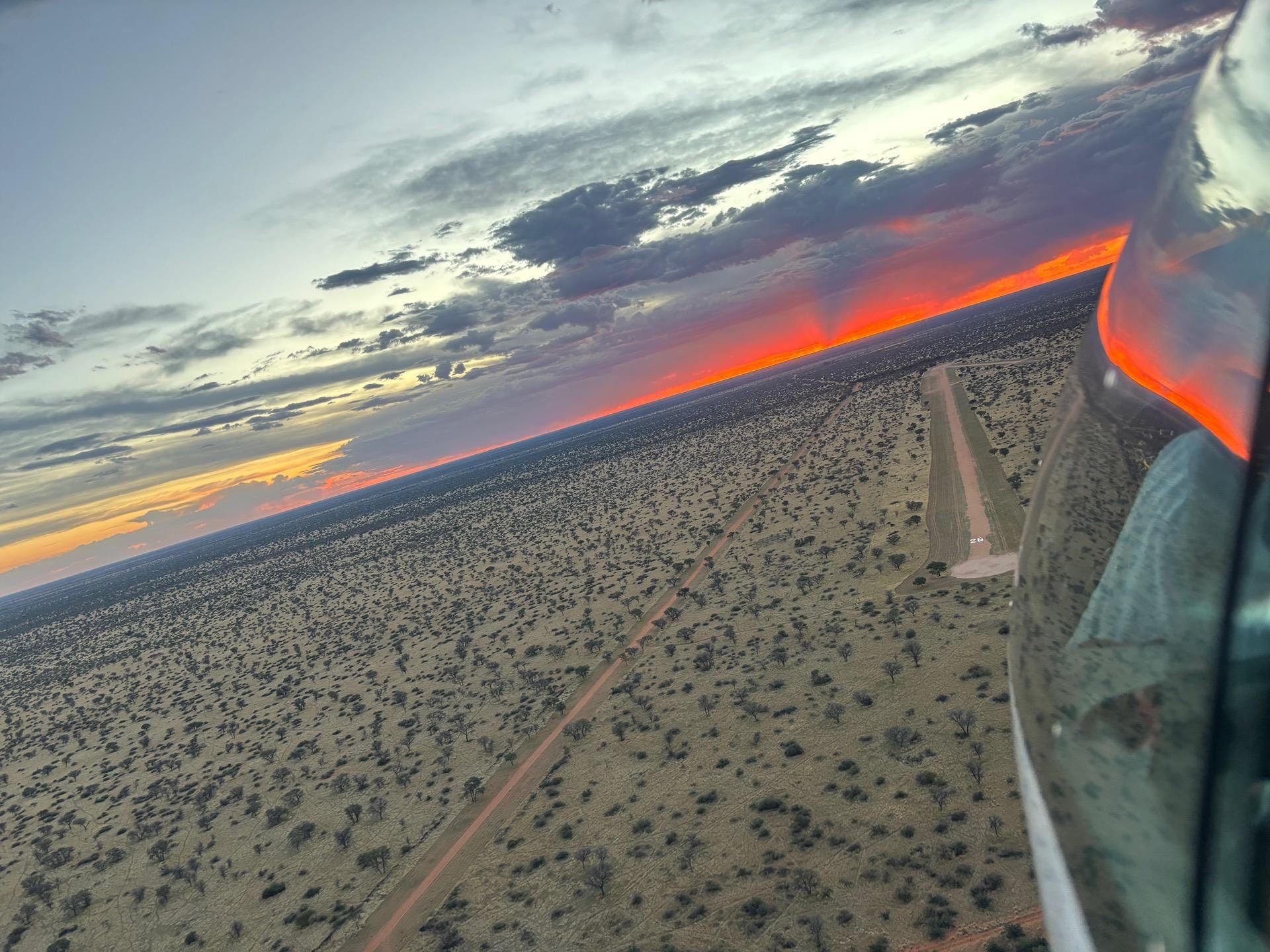
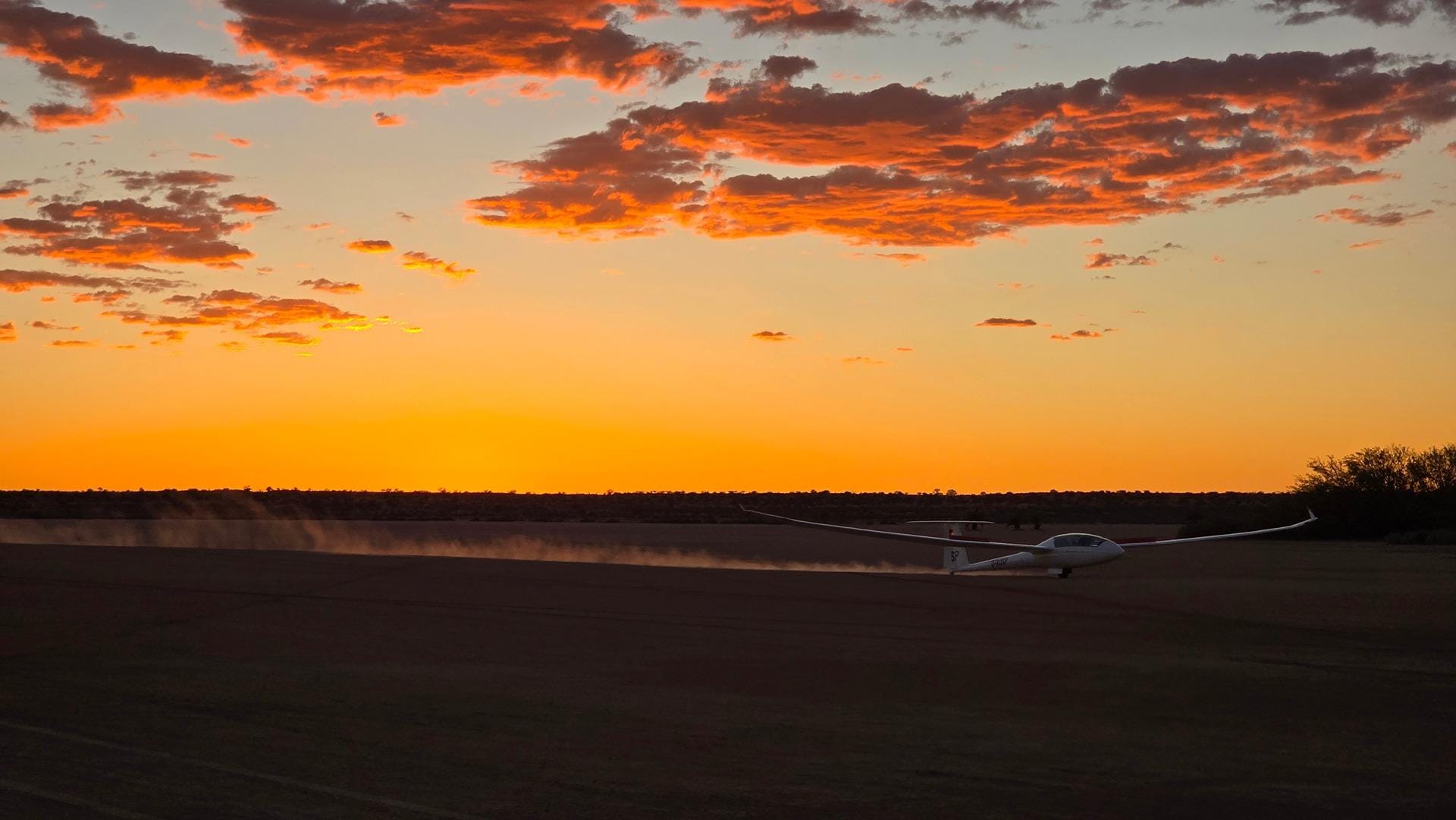
It is no secret that the Arcus M is the most popular model for flying in Namibia. A staggering 65% of flights took place in this popular two-seater. A Schempp-Hirth glider also ranks second: 10.8% of all launches are attributed to the Ventus 3 M. This is followed by the TwinShark SL, another two-seater, at 8.8%, closely followed by the EB28 in various versions, which accounts for 6.5% in total. Also worth mentioning are 90 flights by electric self-launchers. In addition to the proven Antares 20E (1.9%), an AS33 Me was used in Namibia for the first time this year. As in several previous years, the glider with the lowest index was a PIK20E; for the first time this season, four-digit flights with this model can also be found on WeGlide.
Remarkable Flights
At this point, we want to highlight a few special flights and hear from the respective pilots. We begin—as you might expect—with the longest flight of the season. On December 16, Simon Briel and Enrique Levin covered a total of 1,486 km, staying just a stone's throw away from the 1,500 mark.
What made this day so good and fast? What challenges were there?
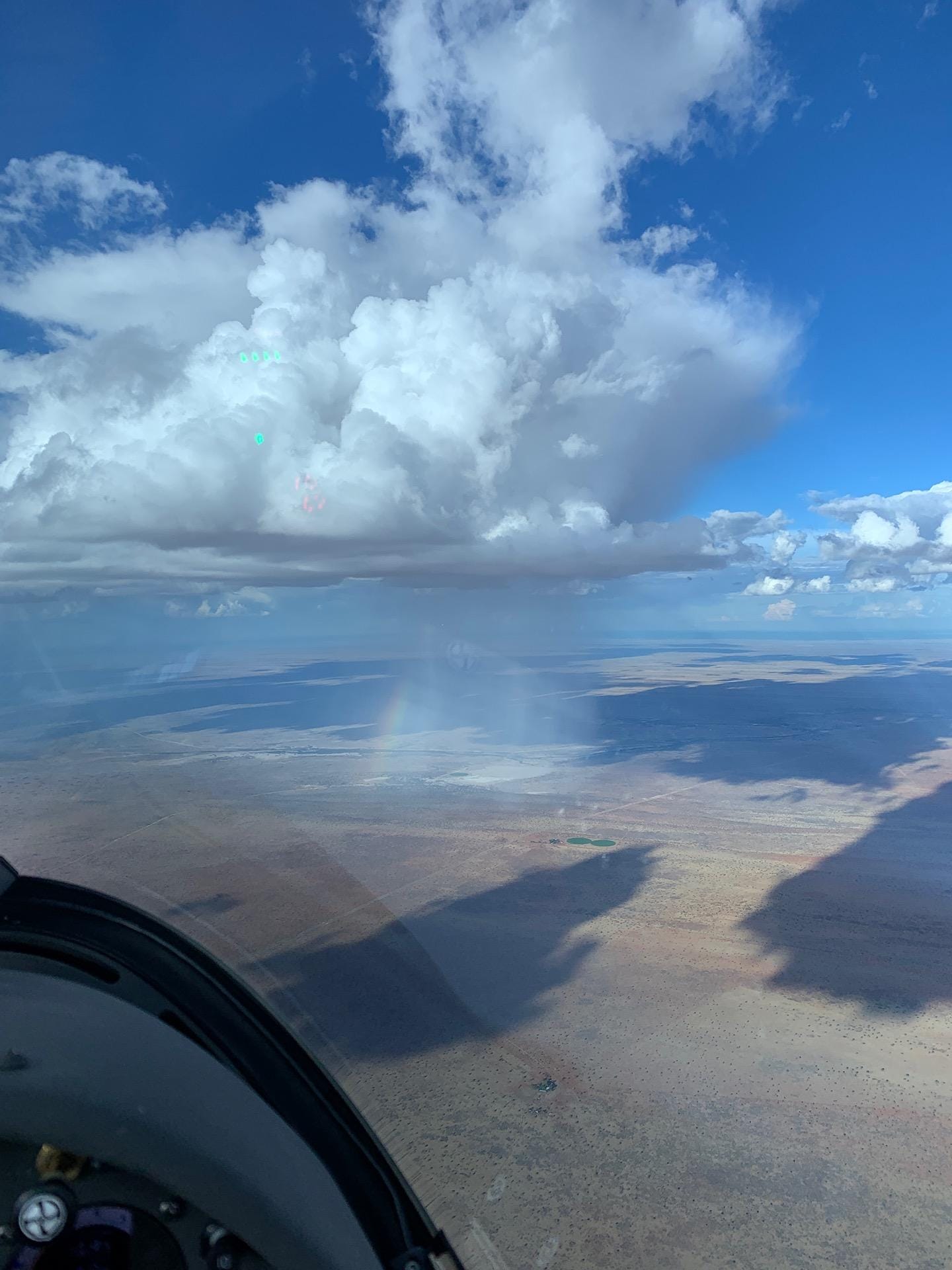
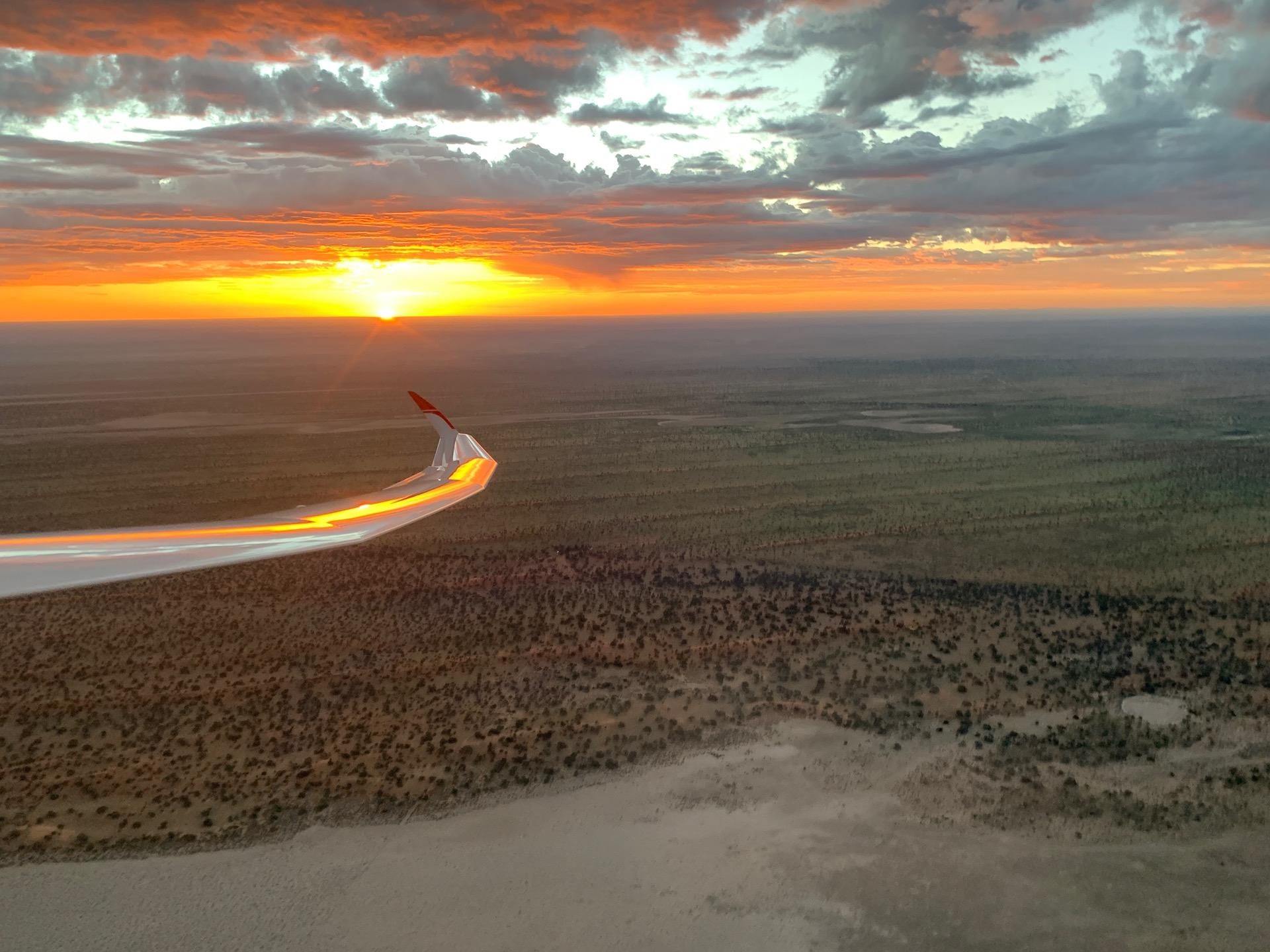
The unusually moist weather conditions meant that the first clouds began to form in the Bitterwasser area as early as 9:00 AM. In combination with the strong north wind, we were able to fly a fast and long first leg despite a rather low cloud base.
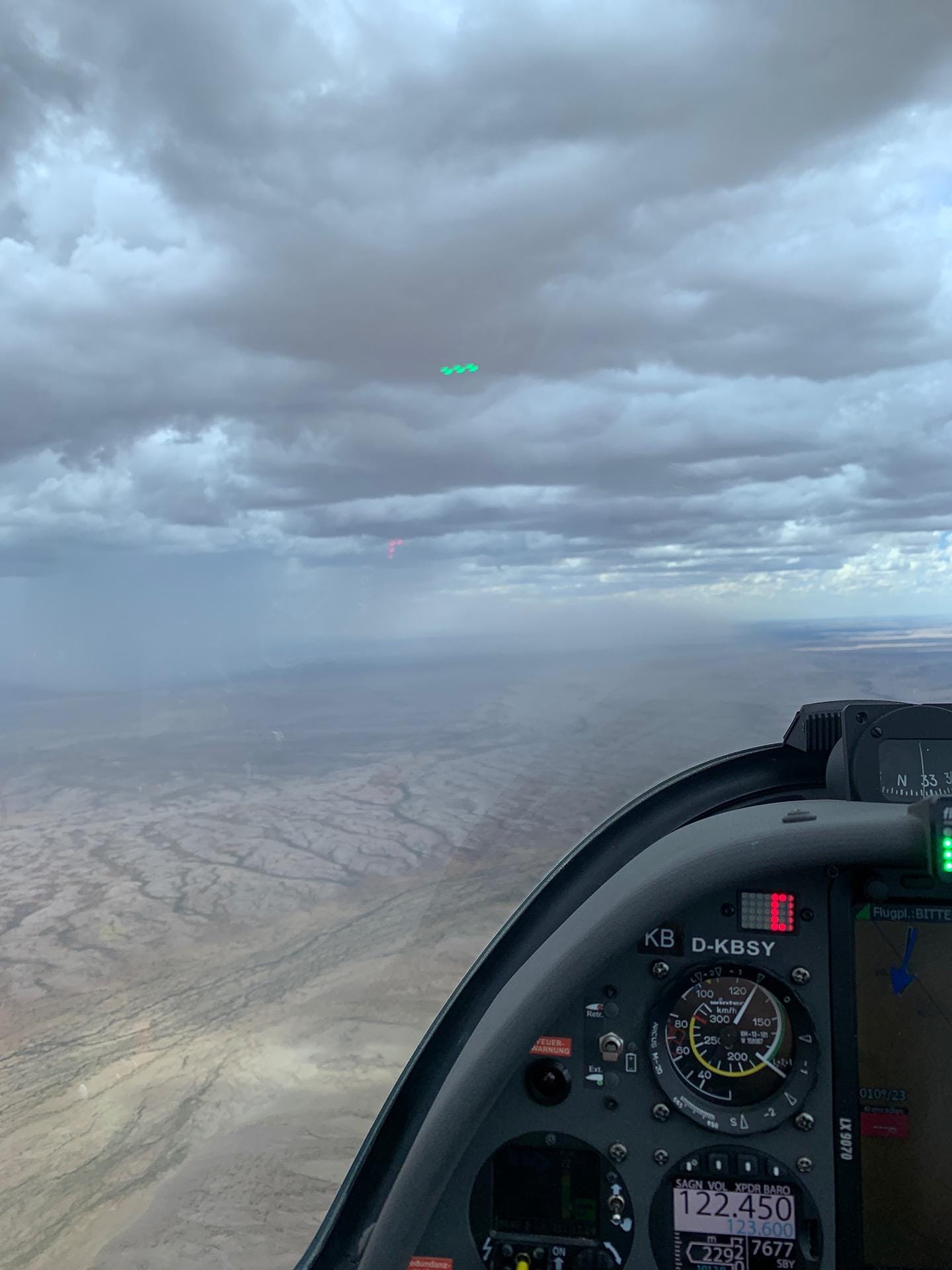
By early afternoon, the tendency for overdevelopment increased, and an overdevelopment complex with a clearly visible outflow formed in the Aranos area to our west. However, the system was already decaying slightly when we arrived; we judged this too optimistically and missed the point to climb. As a result, we had to spend a long time in a very turbulent, medium altitude band.
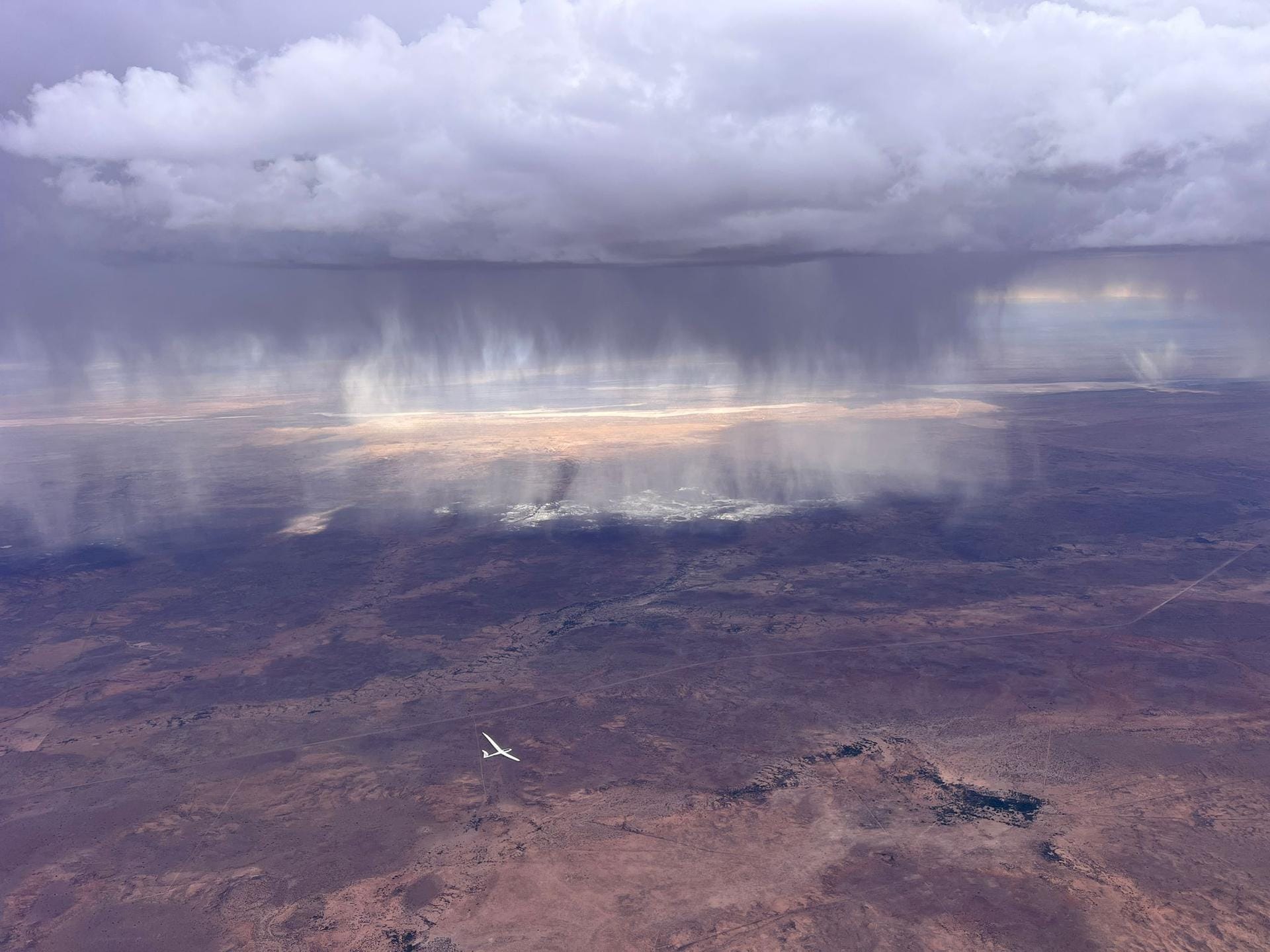
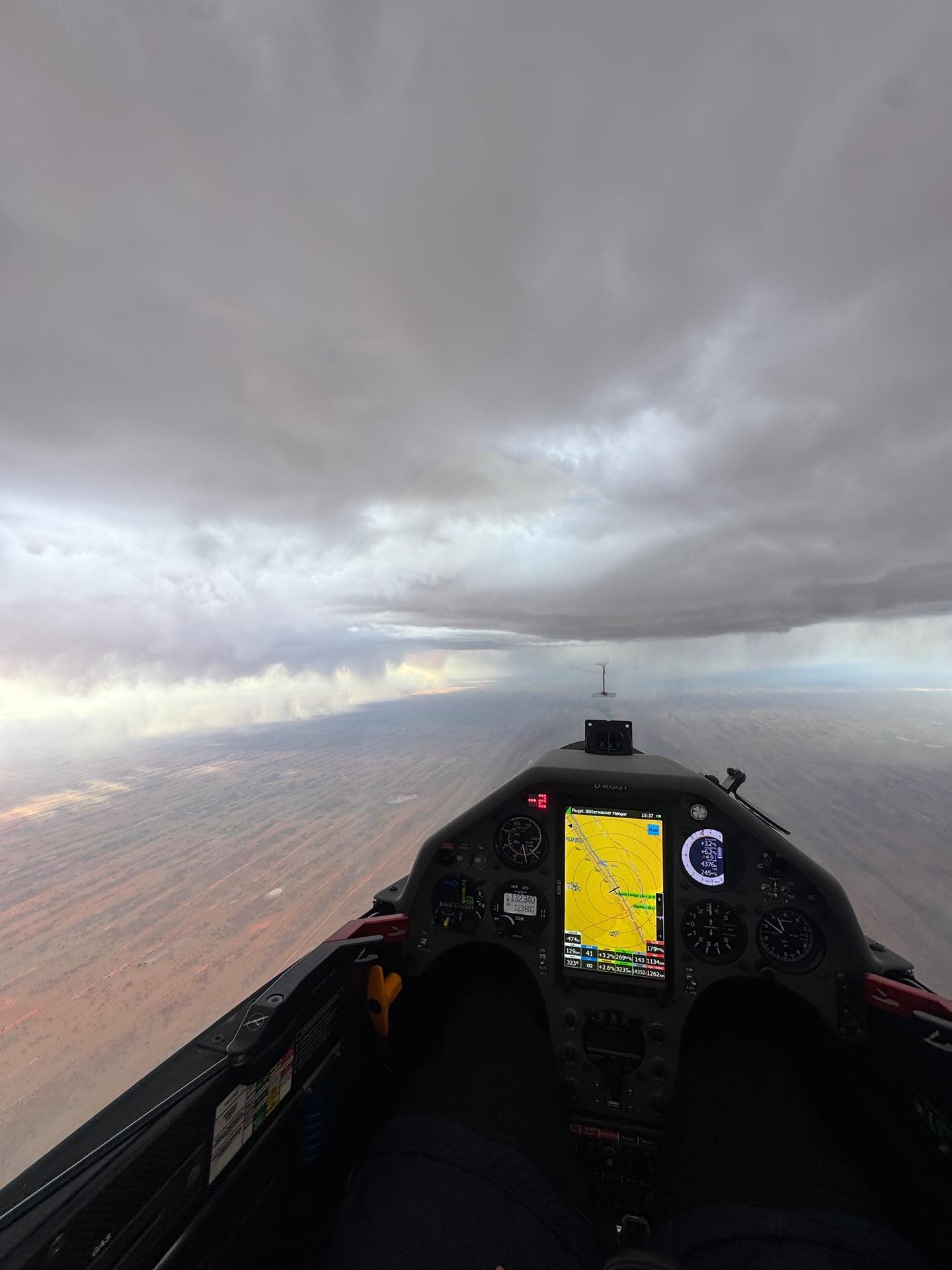
In the later afternoon, various showers and large areas of spread-out clouds made the situation somewhat confusing and required major course deviations. Fortunately, toward the evening, a very usable shower line formed directly over Bitterwasser, which made it possible to keep the speed high until sunset.
What will be needed in the future to make 1,500 km possible in Namibia?
Based on the cloud development, we certainly could have started 15 minutes earlier. That would have made the 1,500 km possible already. We also lost a lot of time in the area of the outflow described above due to our misjudgment.
Last but not least, it is also a question of the aircraft. The Arcus is an extremely versatile glider, but with a latest-generation Open Class aircraft like an EB29DR, 1,600 km should really be the goal on such days.
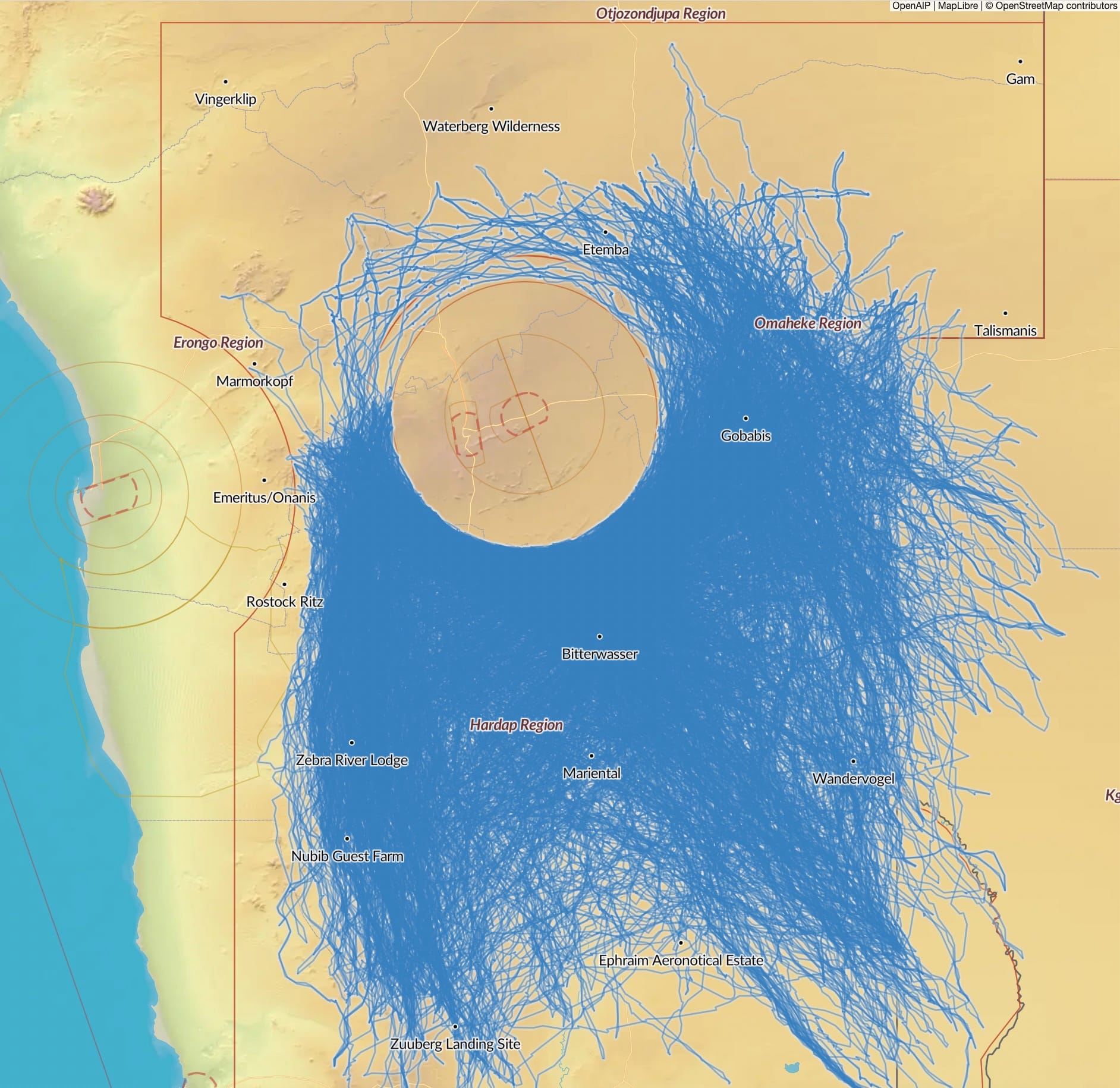
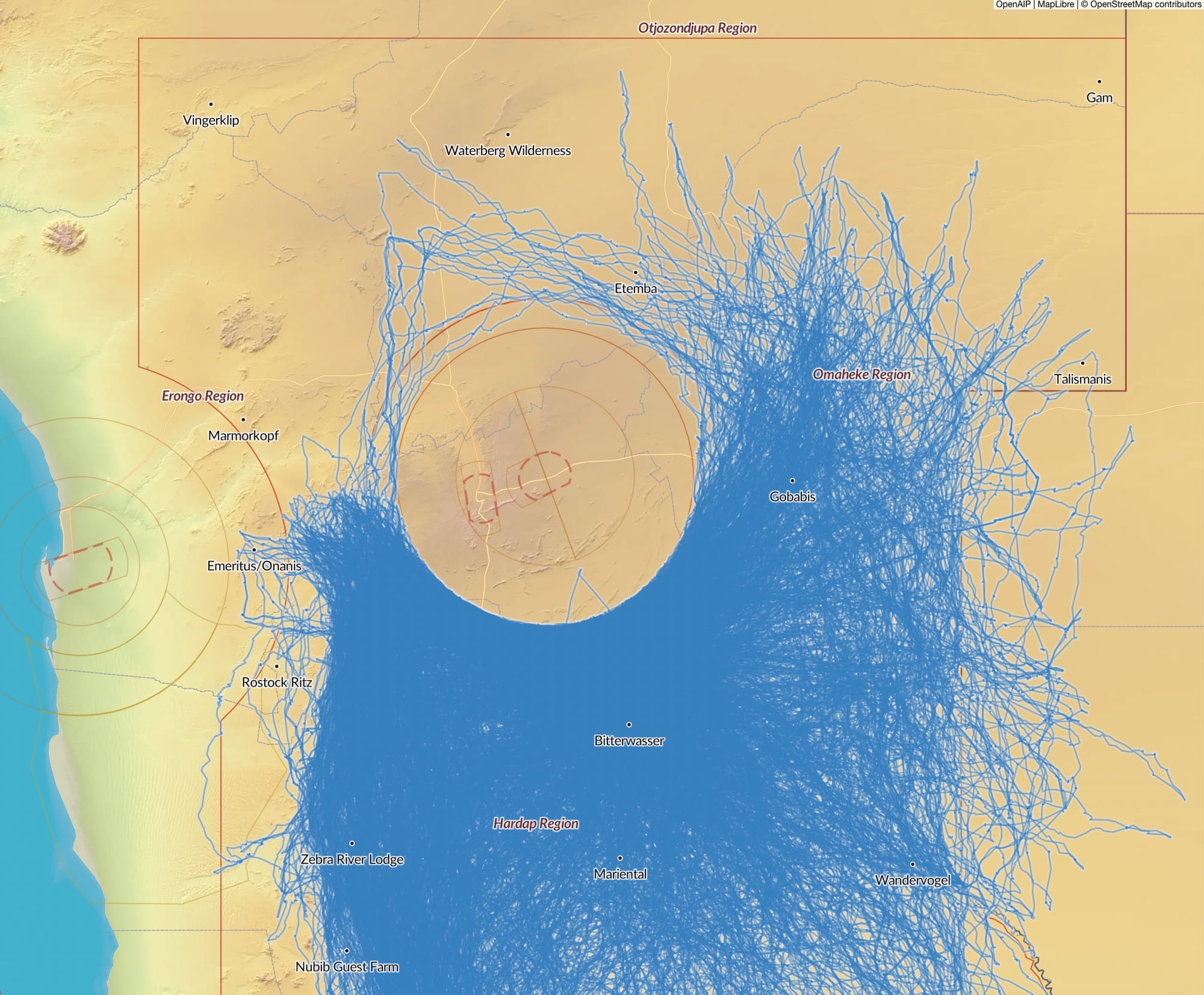
Comparing tracks of the 2025 (left) and 2026 (right) season shows that the north-west was less often used.
Tobias Welsch recorded the highest-scoring flight on December 4 with 1,417 points.
How would you characterize the past season?
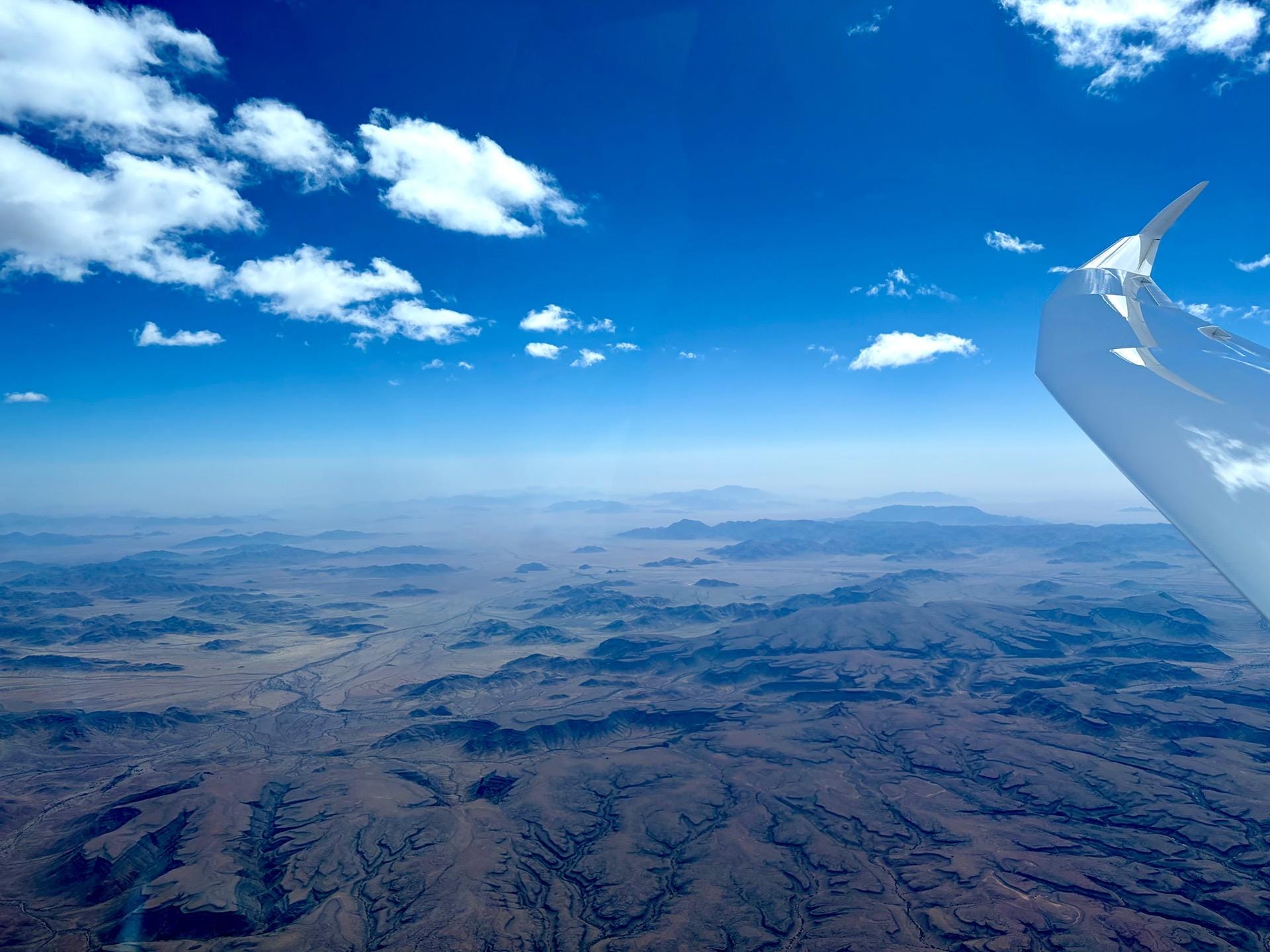
The season was characterized by more moisture in the atmosphere than we have been used to in recent years. Therefore, there were rarely long periods of pure blue thermals.
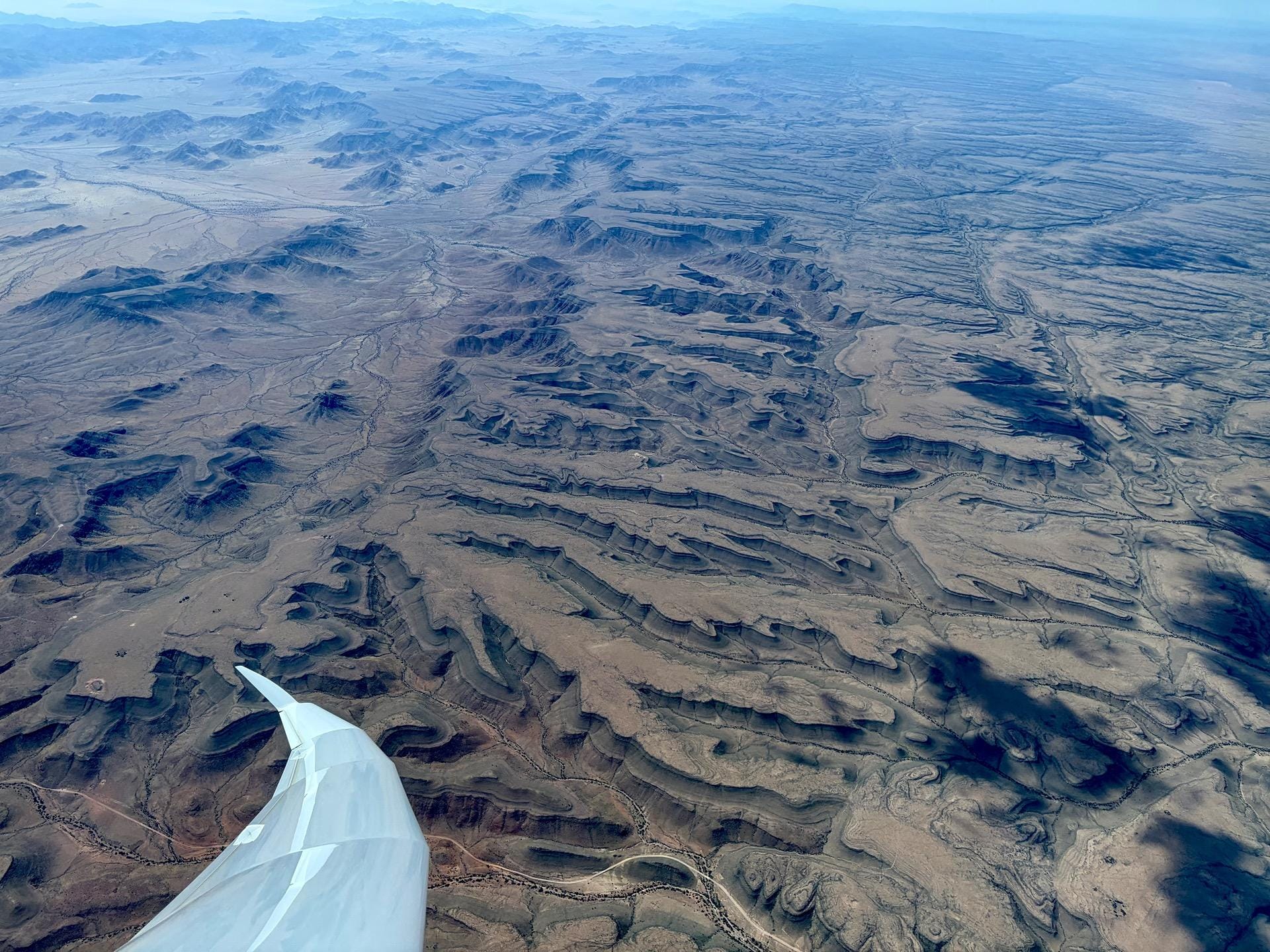
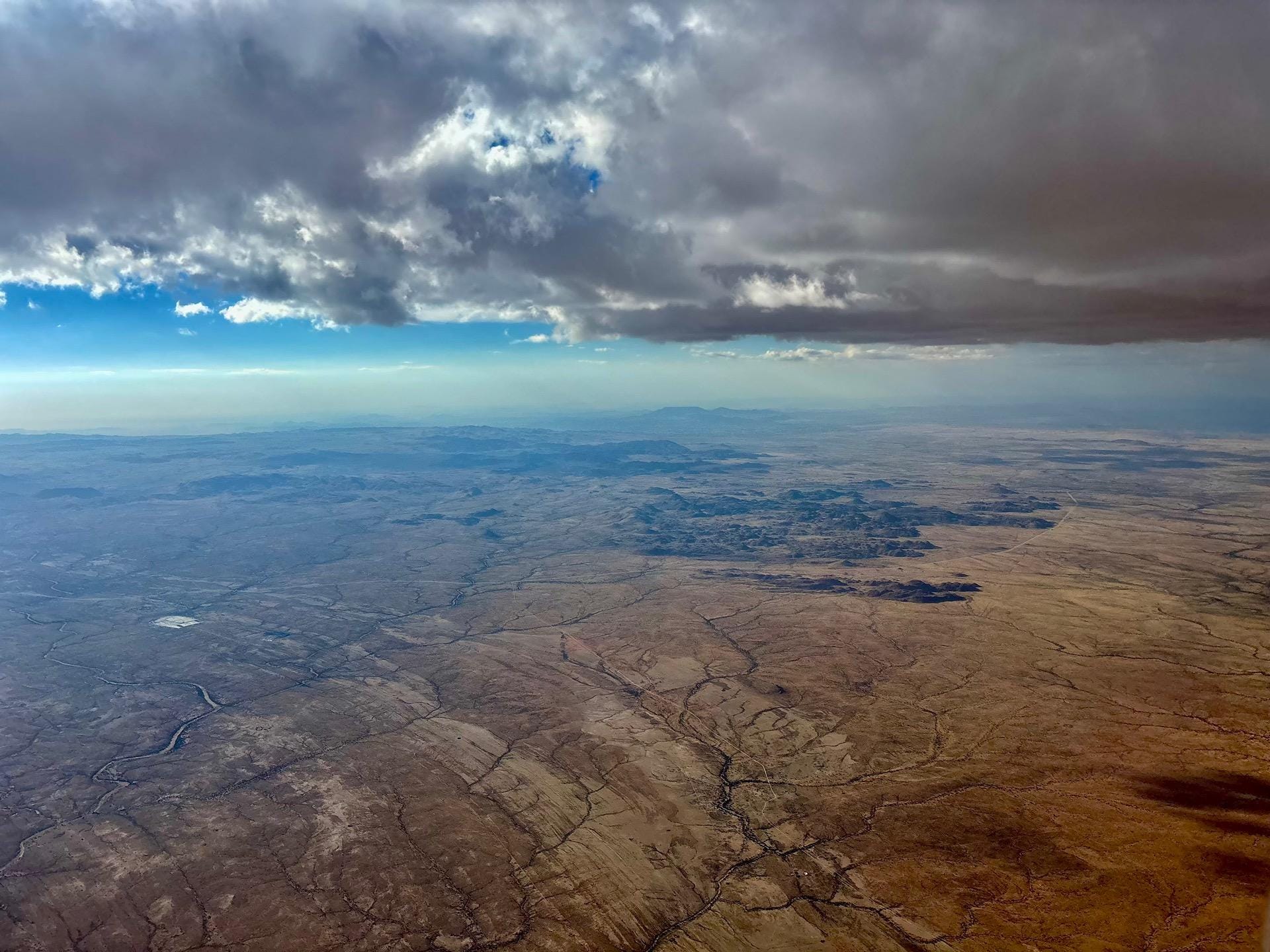
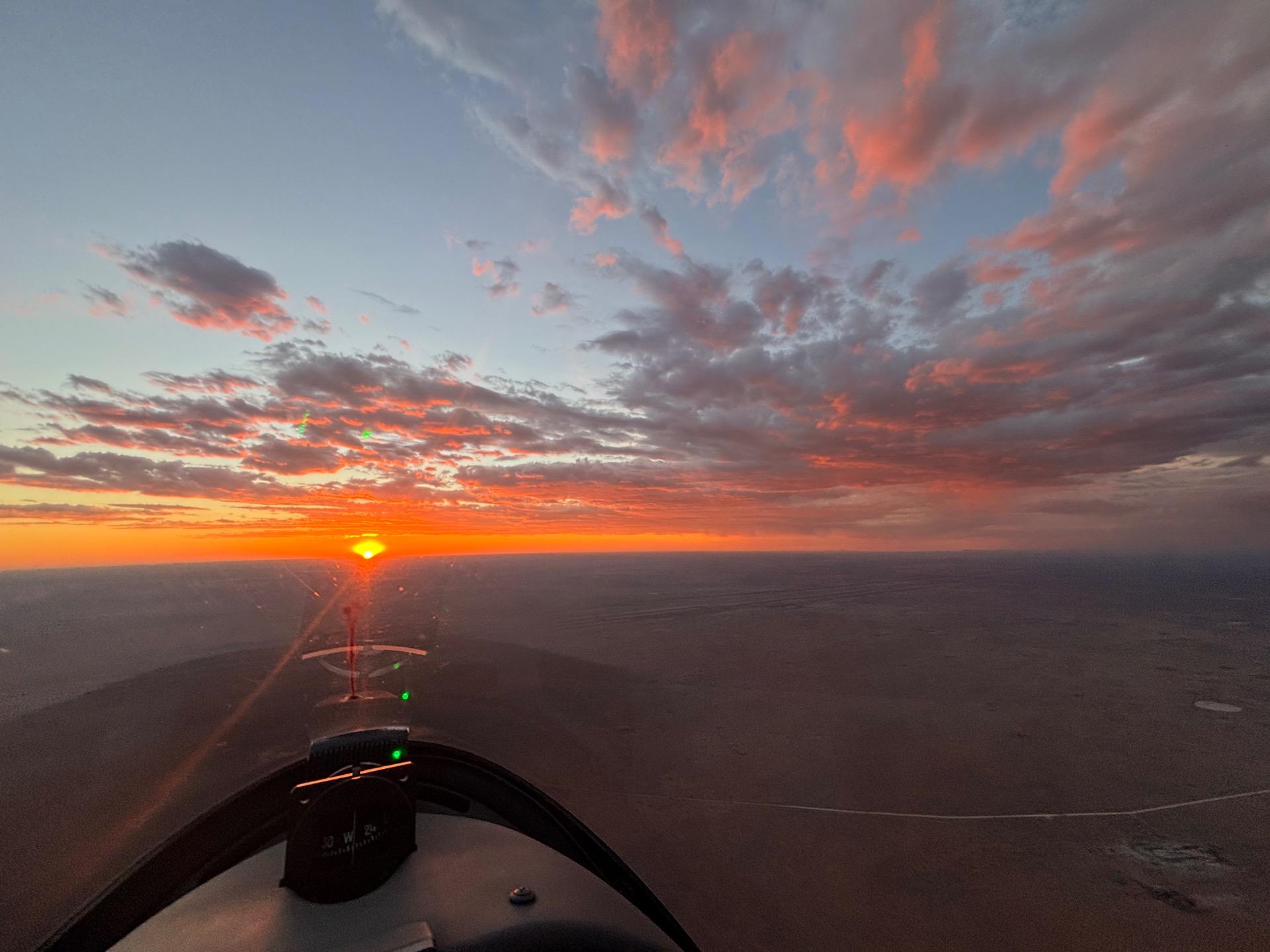
What are the components that play a role in these massive flights?
In Namibia, it's always about finding lines. These differ from normal cloud streets because two air masses with different properties must essentially always be available. The most prominent example is the convergence in the west. There, on one side, you have the cloudless air over the Namib, which experiences unrestricted solar radiation, and on the other side, the great cumulus clouds. The conditions are best in the boundary zone, and that is where the lines form that are necessary for high average speeds.
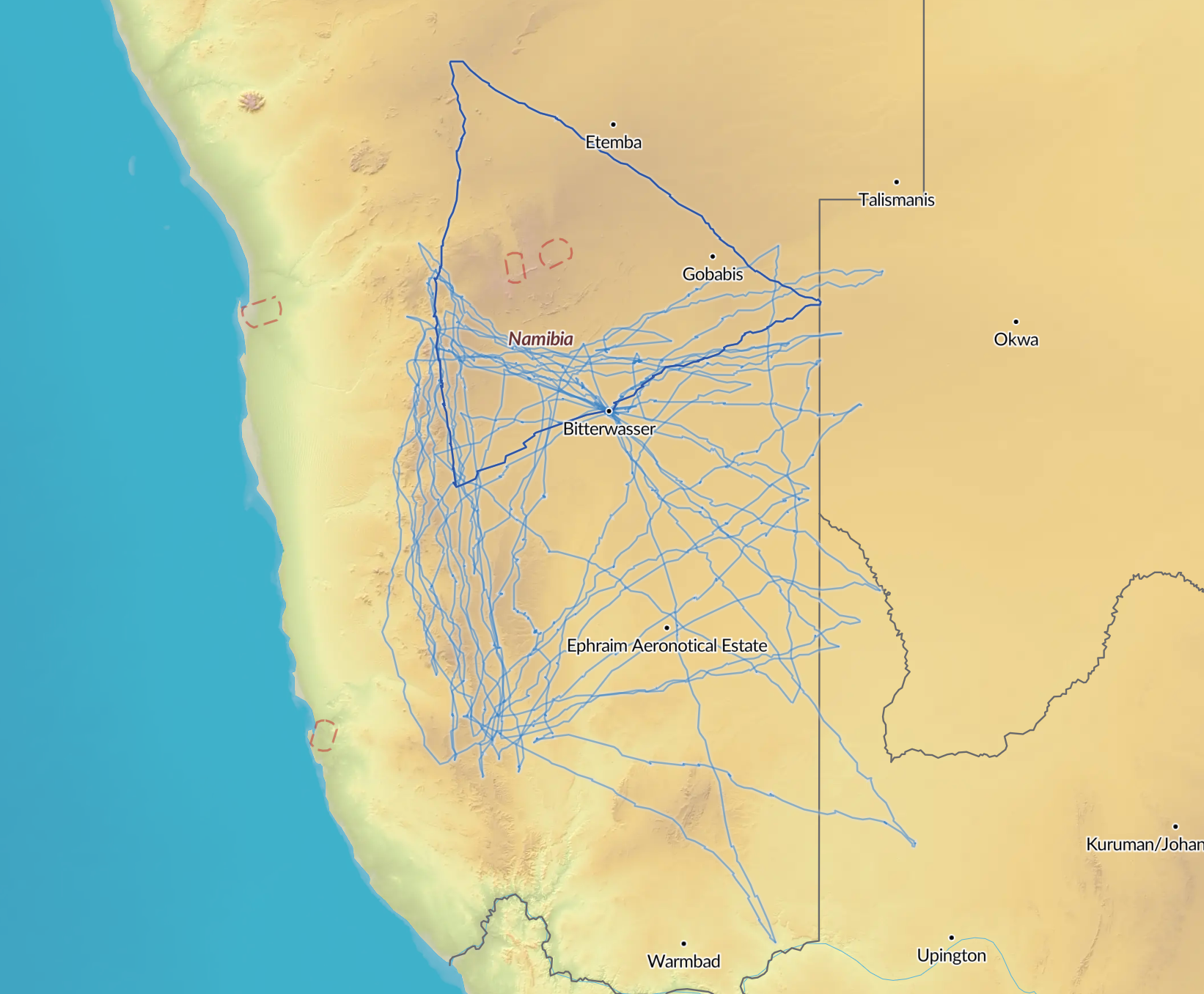
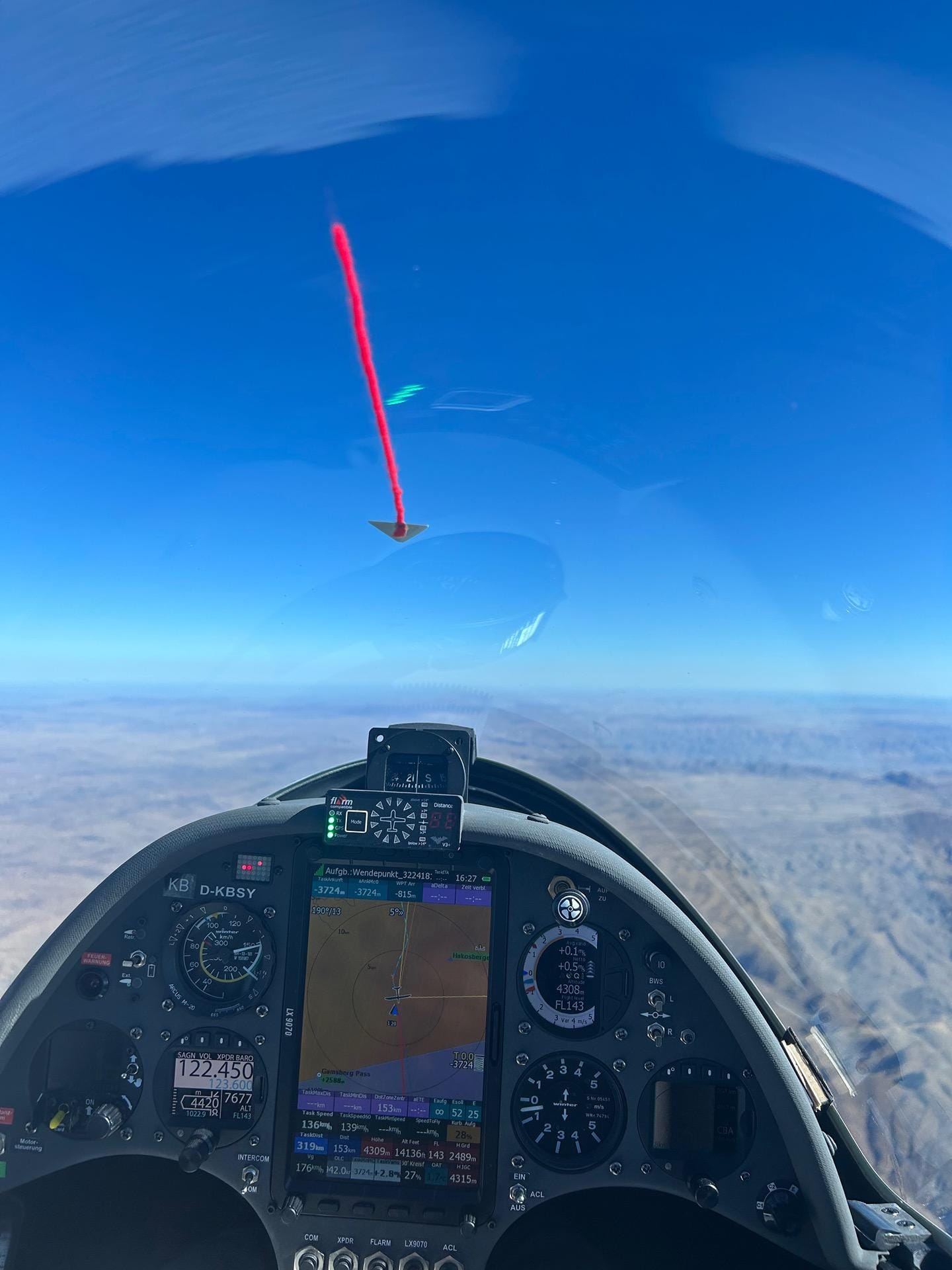
Maximilian Schäfer and Klaus Reinhold completed another special flight on November 11: a 1,250 km declared FAI triangle, once around the Windhoek airspace. It is the first triangle of this size on WeGlide in Namibia to feature this specific layout.
What makes this route so challenging?
The route is difficult because in the northwest, there are little to no outlanding options for long stretches, and these can only be safely bridged with a correspondingly high cloud base. That is why the route is almost exclusively possible in a counter-clockwise direction, as the base is still so low in the morning that you cannot safely glide over the unlandable sections. Furthermore, you cannot turn back toward home, which often causes an uneasy feeling in the showery weather conditions that frequently occur.
What role did the extremely early start play?
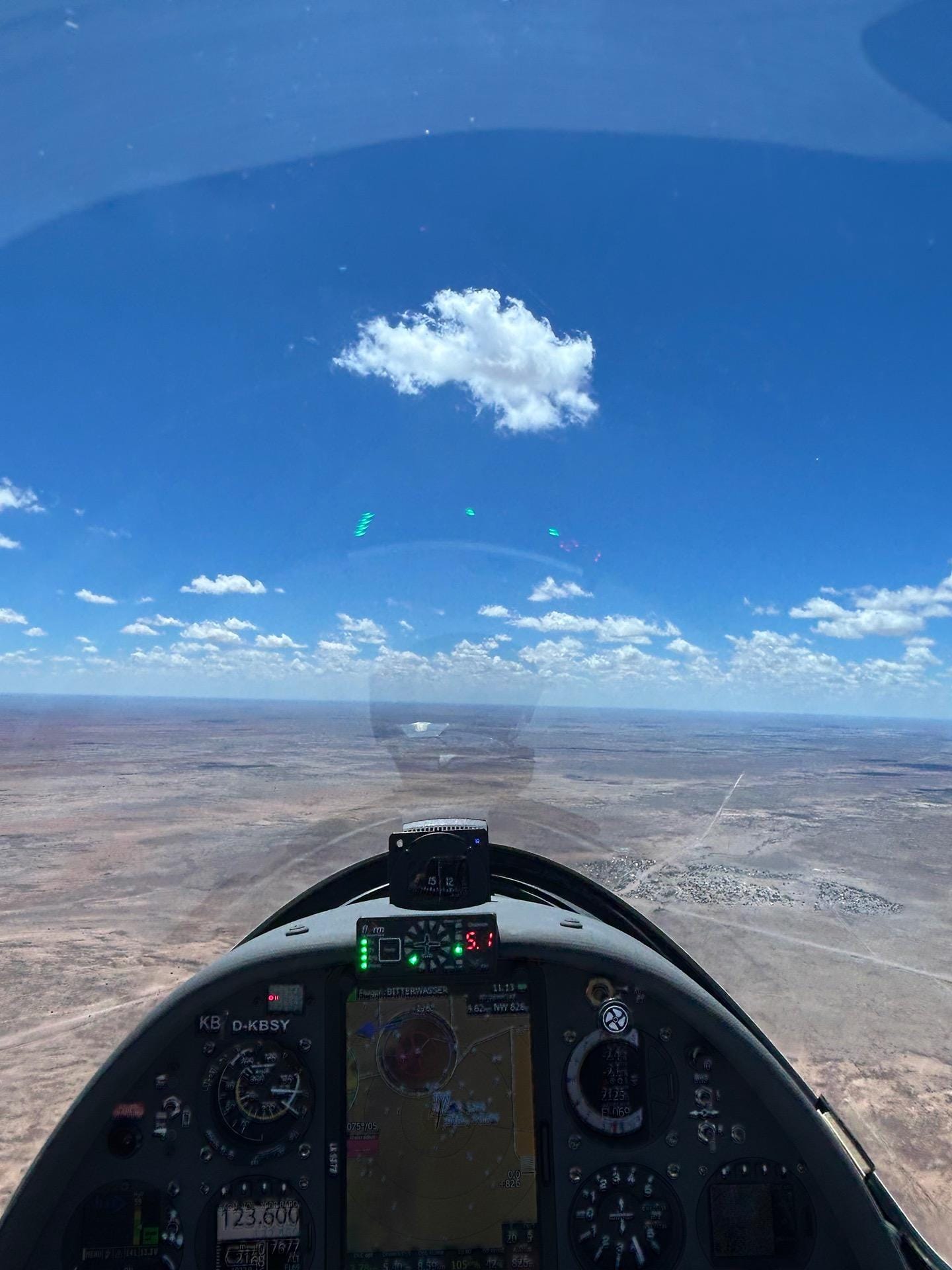
In Namibia, you are racing against the sunset, not against the end of thermals—the days are generally short compared to the "hammer days" in Germany. In our case, however, it was truly very strange. Usually, the first cloud is not to be expected until around 11:00 AM. With us, it was already fully developed by 9:30 AM, which is usually a sign that the day will overdevelop very early. The opposite was the case—it turned blue. I have never experienced anything like that with such early development, let alone a cloud over Bitterwasser at 8:59 AM local time.
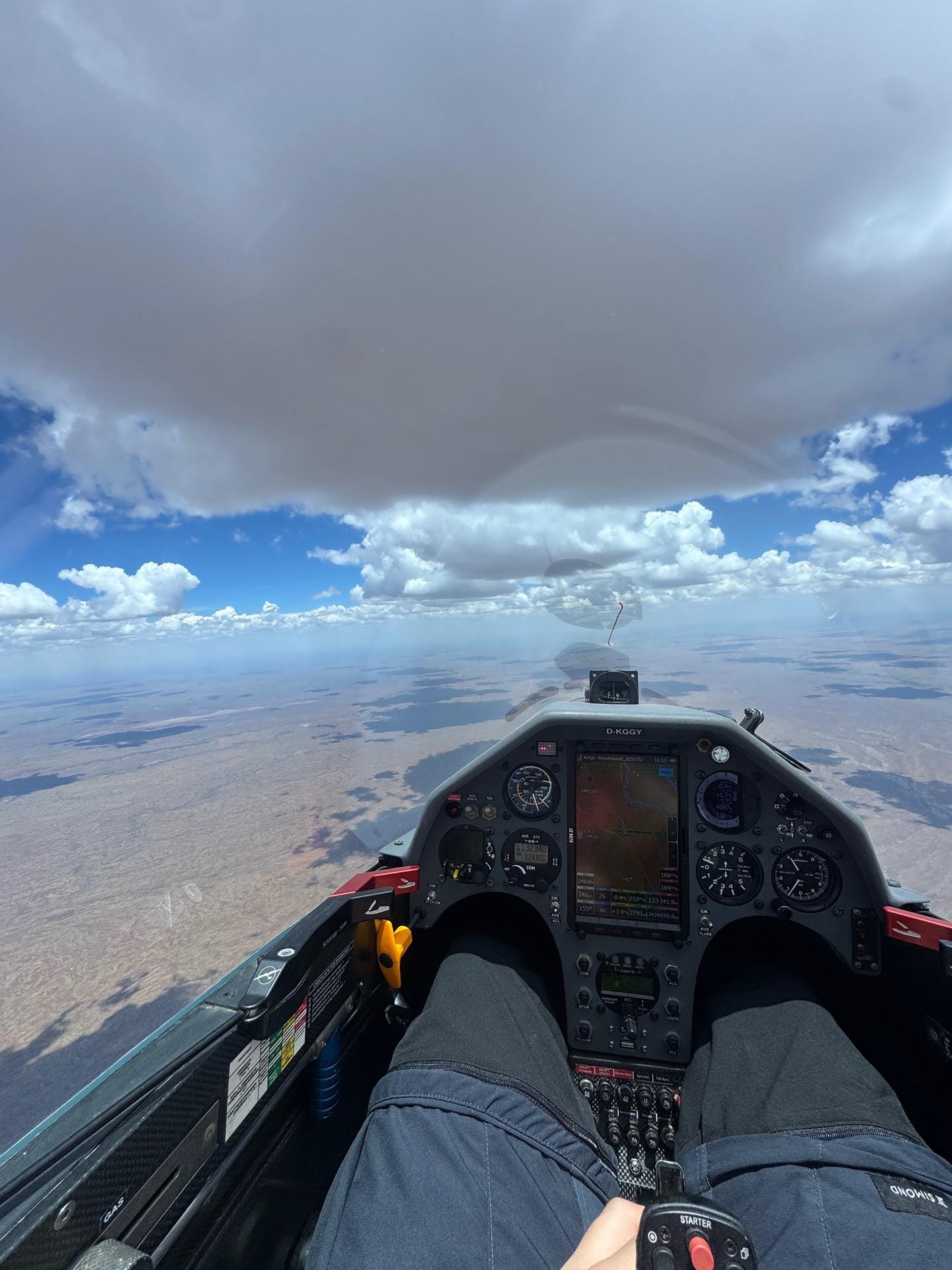
To conclude, we hear from Nils Zitzelsberger, who was lucky enough to be a participant in the 1,000 km Camp this season. He drew attention to himself with his flight on November 26: 1,405 km with an average speed of 166 km/h.
What gave this day its potential, and how did you utilize it?
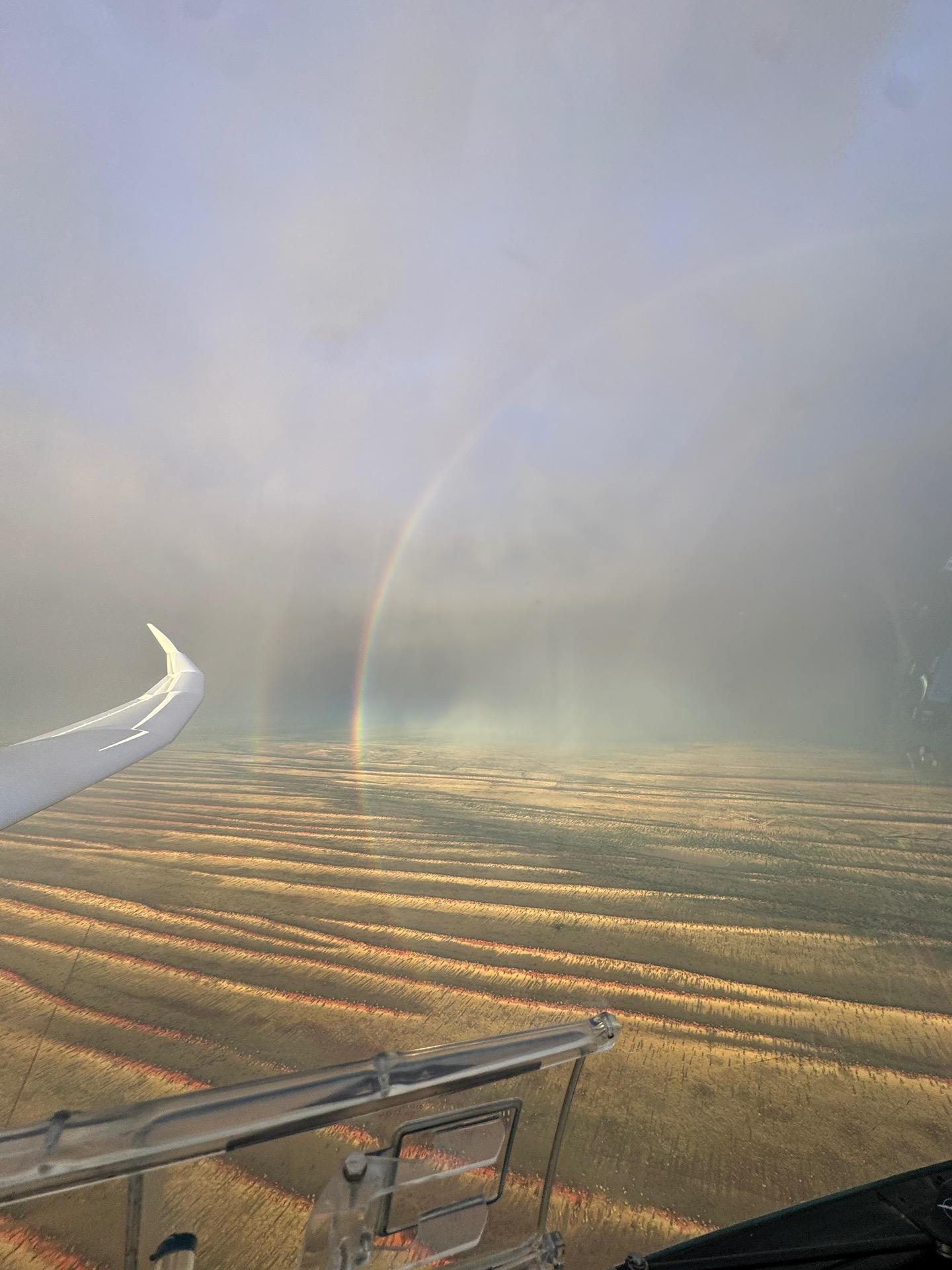
We expected strong overdevelopment throughout the entire day. However, shielding in the morning slowed this process down, which was essential. Then it was a matter of identifying the boundary areas where things were about to overdevelop but flyable conditions still prevailed. These lines between showers and towering clouds were spectacular and allowed for average speeds of around 200 km/h over large parts of the flight.
Regarding the 1,000 km Camp: What are your fondest memories?
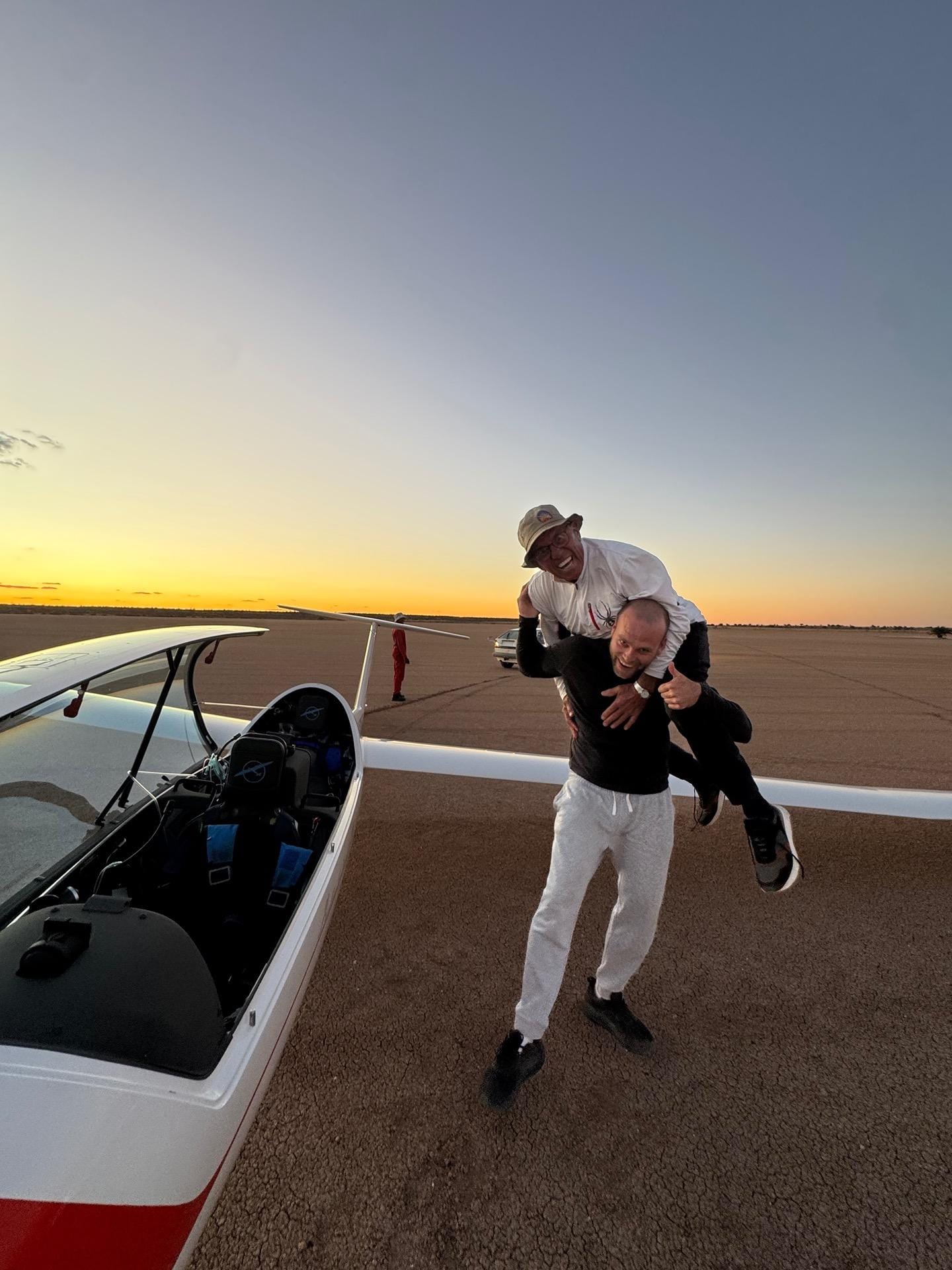
In addition to the great flights, my favorite memories are of the wonderful community on the ground. I was able to make many contacts and had great conversations. It was an unforgettable time for me; many thanks to Wilfried!
WeGlide. Innovations for the sport. Help us advance gliding:
If you would like to receive articles like this directly via email, you can sign up in your profile.