Schempp-Hirth | Signature Wings and Living History

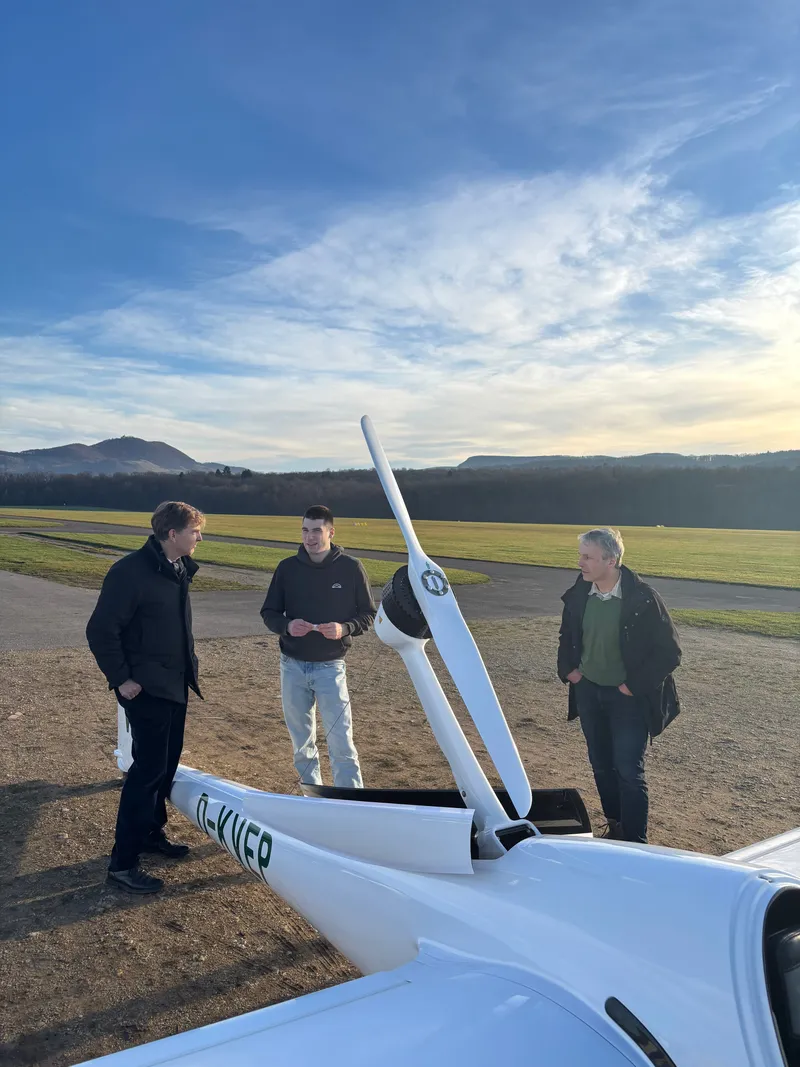
Schempp-Hirth recently celebrated its 90th anniversary. Since the company’s founding, approximately 6,500 gliders have been built, the majority of which are still flying today. Since 1938, the headquarters has been located in Kirchheim unter Teck, where we are visiting today. CEO Tilo Holighaus takes us on a tour of the production facilities.
Tilo, what does a typical start to your day look like?
My day usually begins right here on the shop floor. I generally start with a walk through the production facilities just to get an overview. After that, I coordinate with our department heads and check the calendar. A highlight is always when customers visit.
How has the workforce structure changed here recently?
We are proud to say that, in addition to excellent new hires, we’ve managed to win back many former employees. These "returnees," particularly in final assembly and service, brought a massive amount of know-how back into the company. This allowed us to close vital gaps while increasing capacity. Currently, all key positions are filled with top-tier talent, which is reflected in the ongoing harmonization of our production processes.
I am also genuinely thrilled with how the team is pulling together. We had some difficult phases, including at the start of 2025, but the last few months have been excellent. People are even coming in on weekends to finish important projects so we can meet our annual targets. We are currently producing about 50 aircraft per year, with about a third of the 2025 volume accounted for in the final three months alone.
How many people currently work at Schempp-Hirth?
We currently have around 100 employees and 10 apprentices.
You have a very high level of vertical integration. What do you manufacture in-house?
Almost everything necessary for the production of high-performance gliders. In general, it’s very important to us to bring work back to Kirchheim. This includes painting and finishing, where we’ve significantly increased our staff. In our metal shop, we manufacture fittings and welded parts. Composite component production is also happening in-house to a greater extent again. In the service department, customers now benefit from a very broad portfolio. We still use external suppliers for canopy glass, engines, or specific milled parts, of course. However, the trend is toward internalizing more processes to reduce dependencies.
How important is local proximity to your suppliers?
It’s essential. Take Sotecc or Solo, for example—they are literally minutes away. If there’s a problem or a need for coordination, you just drop by. That replaces any complicated "telephone support" and builds trust.
We are standing in front of a pair of wing molds. Are these the "heart" of production?
Absolutely. We learned the hard way how valuable molds are. In 2003, the mold for the then-new World Champion Ventus 2cx was lost in a fire. That set us back almost a year. We are particularly proud of our newer molds, like those for the Arcus wing. They are extremely massive, built from carbon fiber with a steel tube frame. We’ve built over 400 wings with them, and the dimensional stability is still impressive. With modern laminar profiles, the transition point must be exact; there can’t be any waviness. Our special tempering process, with precisely controlled temperature curves, ensures perfect quality.
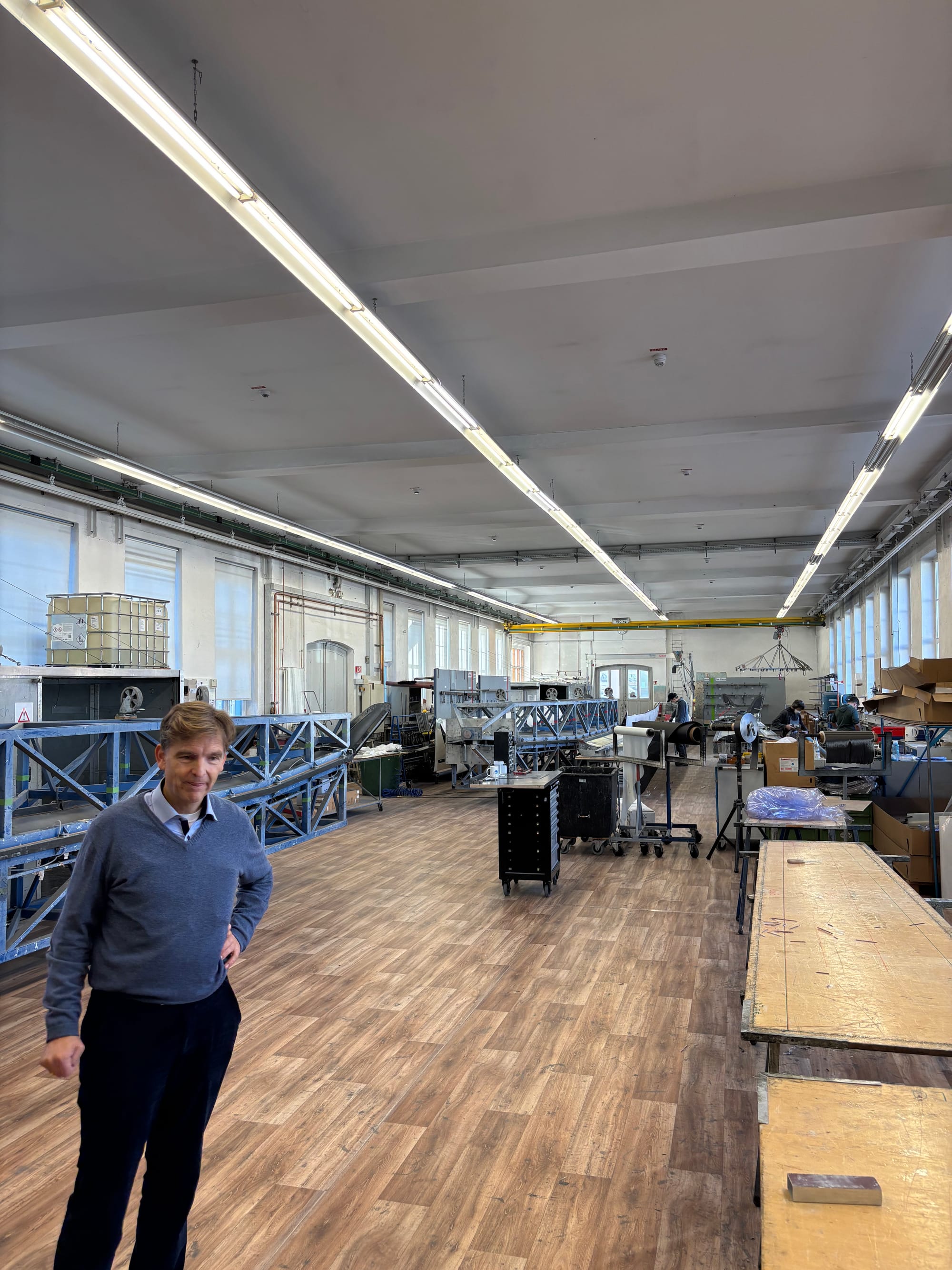
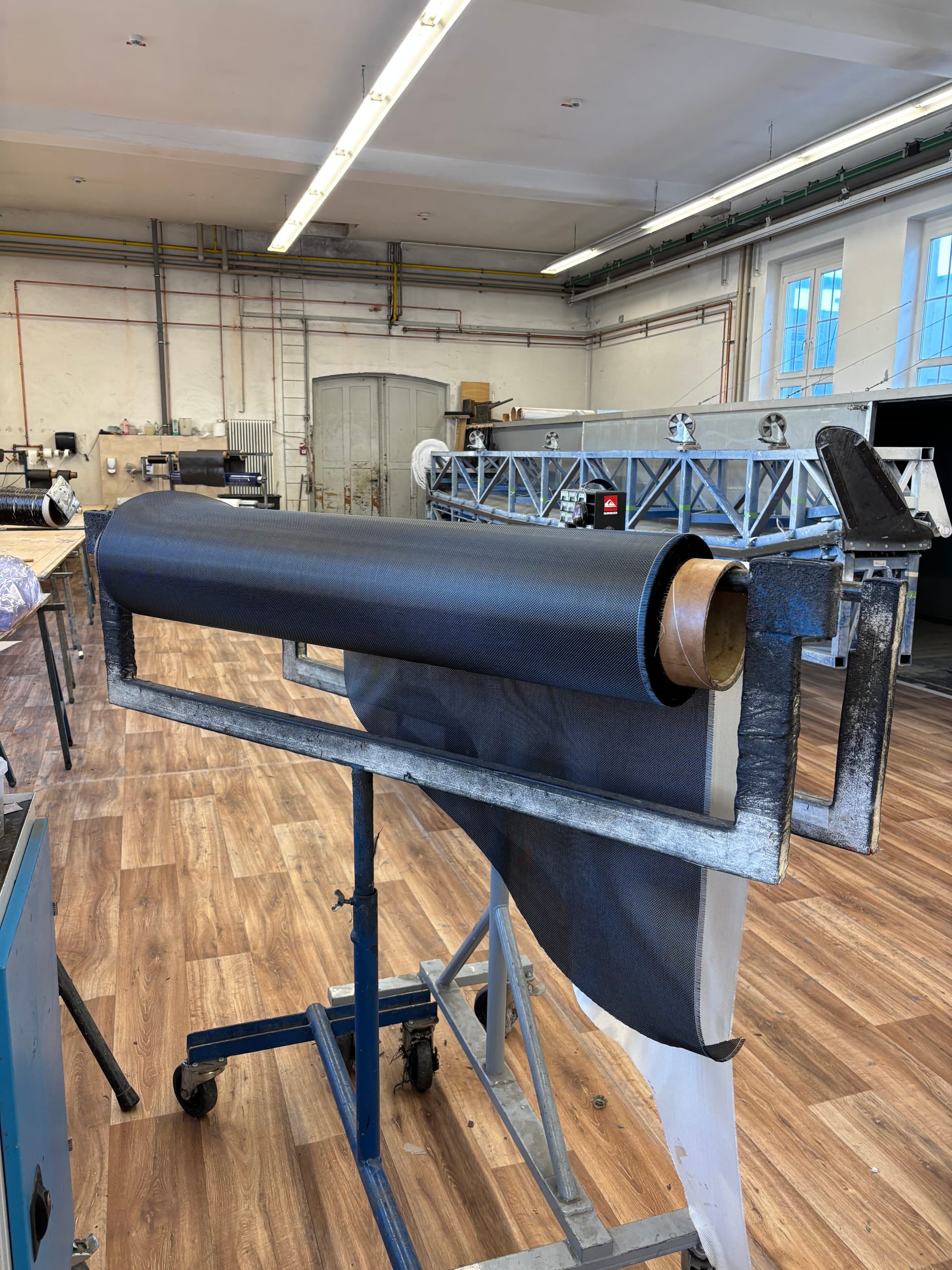
Right: Tilo in front of the Arcus wing molds. Right: Carbon-Fibre, the precious raw material.
One technical detail that distinguishes Schempp-Hirth is the steel frame in the fuselage. Why do you rely on steel for such a critical area?
That is our philosophy regarding safety and ease of repair. The forces from the landing gear are directed straight into the wings via this stiff fuselage frame. In a hard landing, the frame absorbs a significant amount of energy. If the force becomes too great, the steel structure deforms plastically - we’ve designed specific points for this. This deformation absorbs energy that would otherwise end up in the pilot’s spine. The second advantage: if it’s bent, we can saw out the damaged part and weld in a new one. This restores 100% structural integrity. With composites, that’s much more difficult.
Another trademark is the characteristic wing geometry. Is that purely aesthetic?
No, it has a very pragmatic reason: profile accuracy. You can never get an elliptical wing finished 100% perfectly. With individual straight segments, however, you can sand the profile to perfection using a long sanding board. The entire performance of the aircraft lies in the accuracy of the profile, and we guarantee that through those single segments.
Speaking of finishing—how long does it take to paint an Arcus, for example?
That is often underestimated. Including all small parts, control surfaces, warning paint, and the final finish, it’s well over 400 to 500 hours of work. It is pure manual labor.
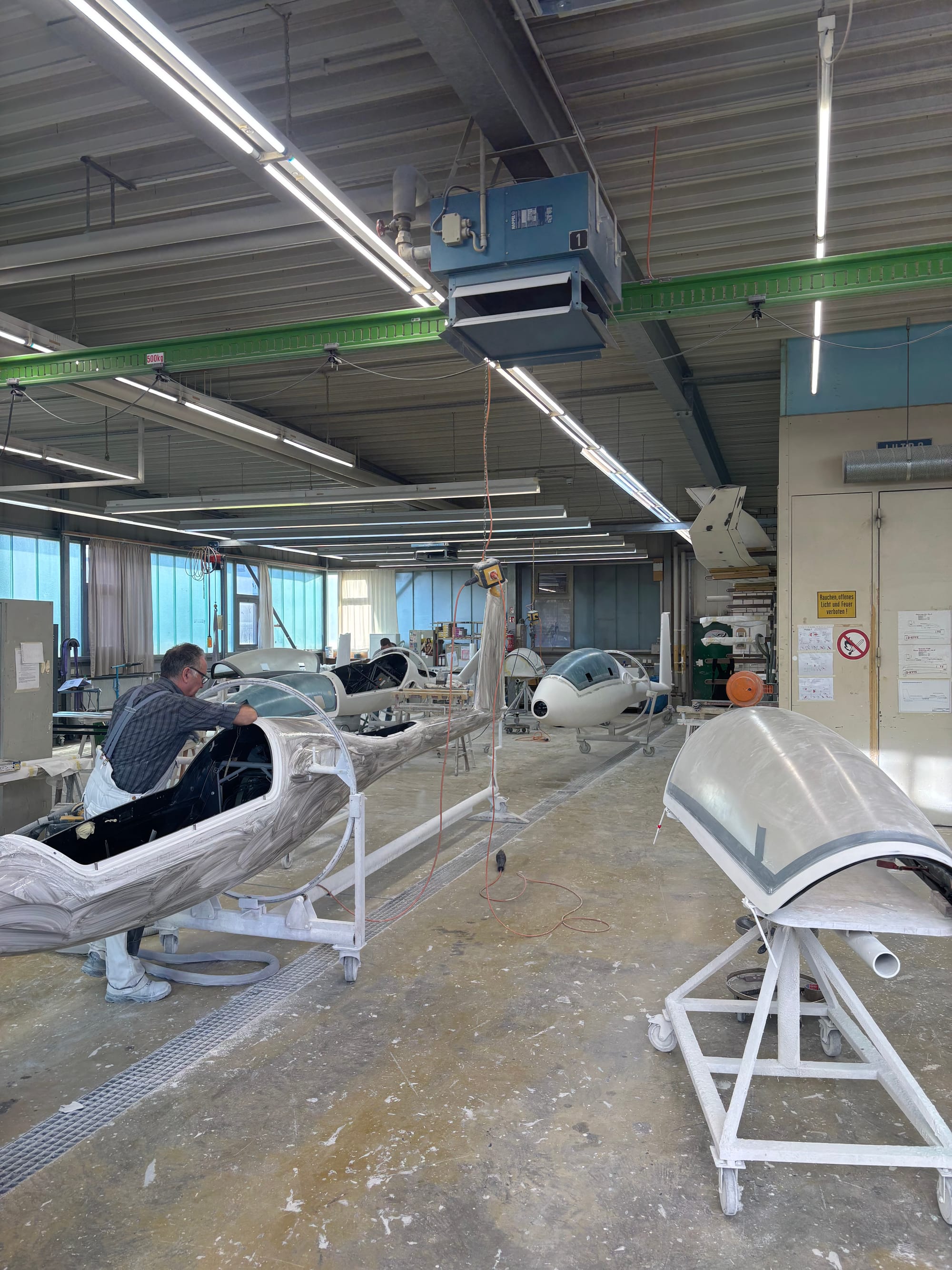
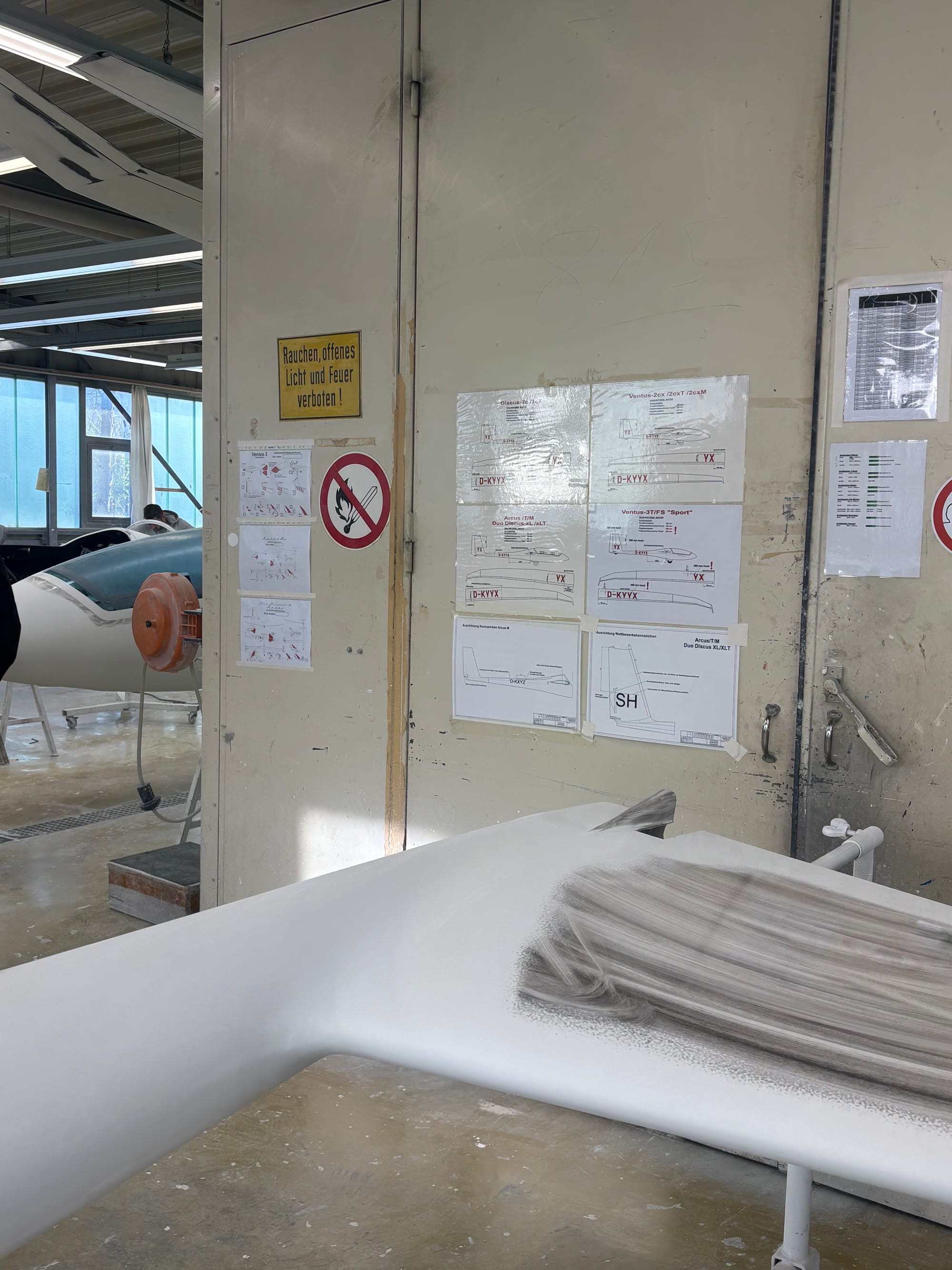
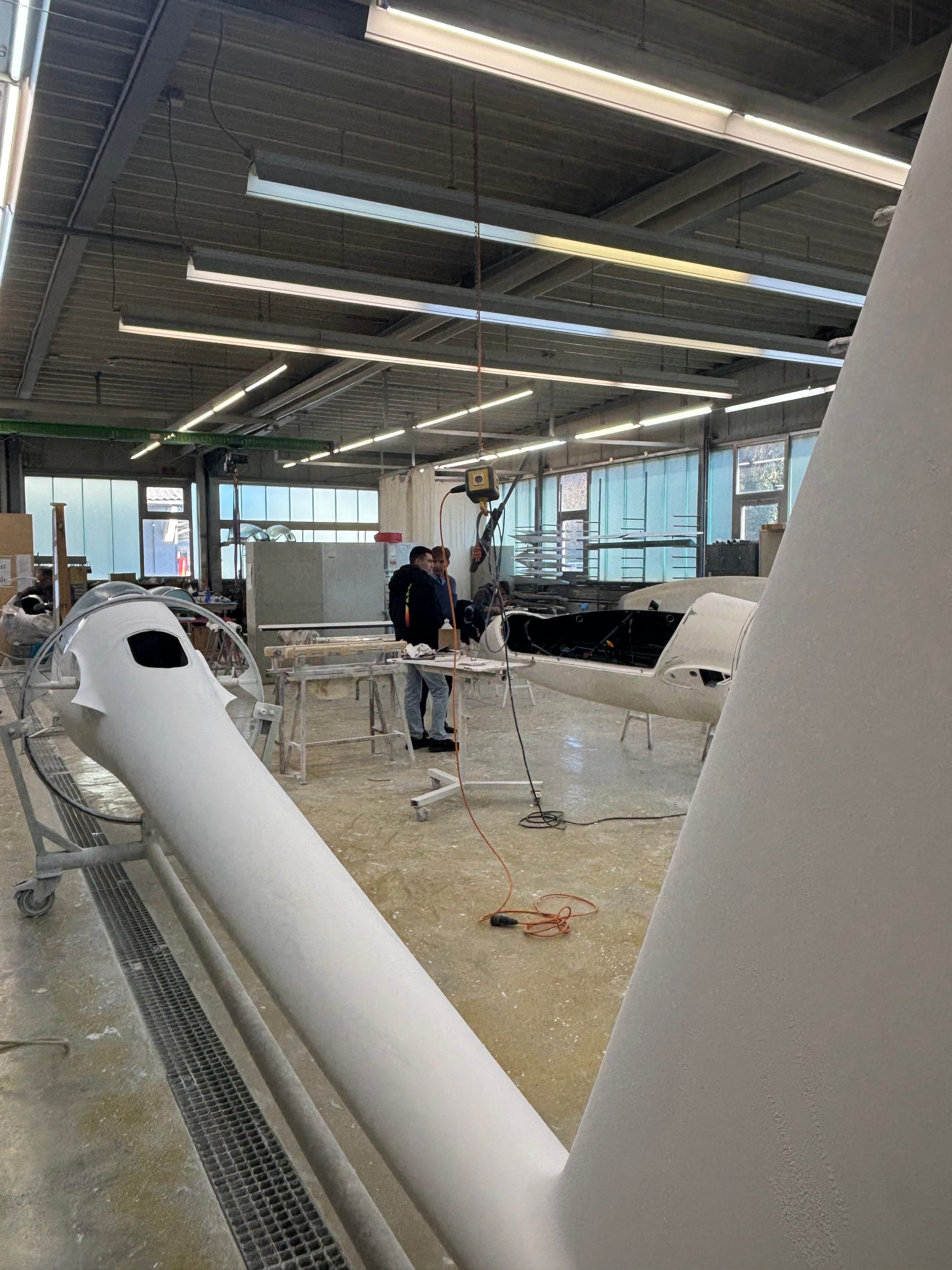
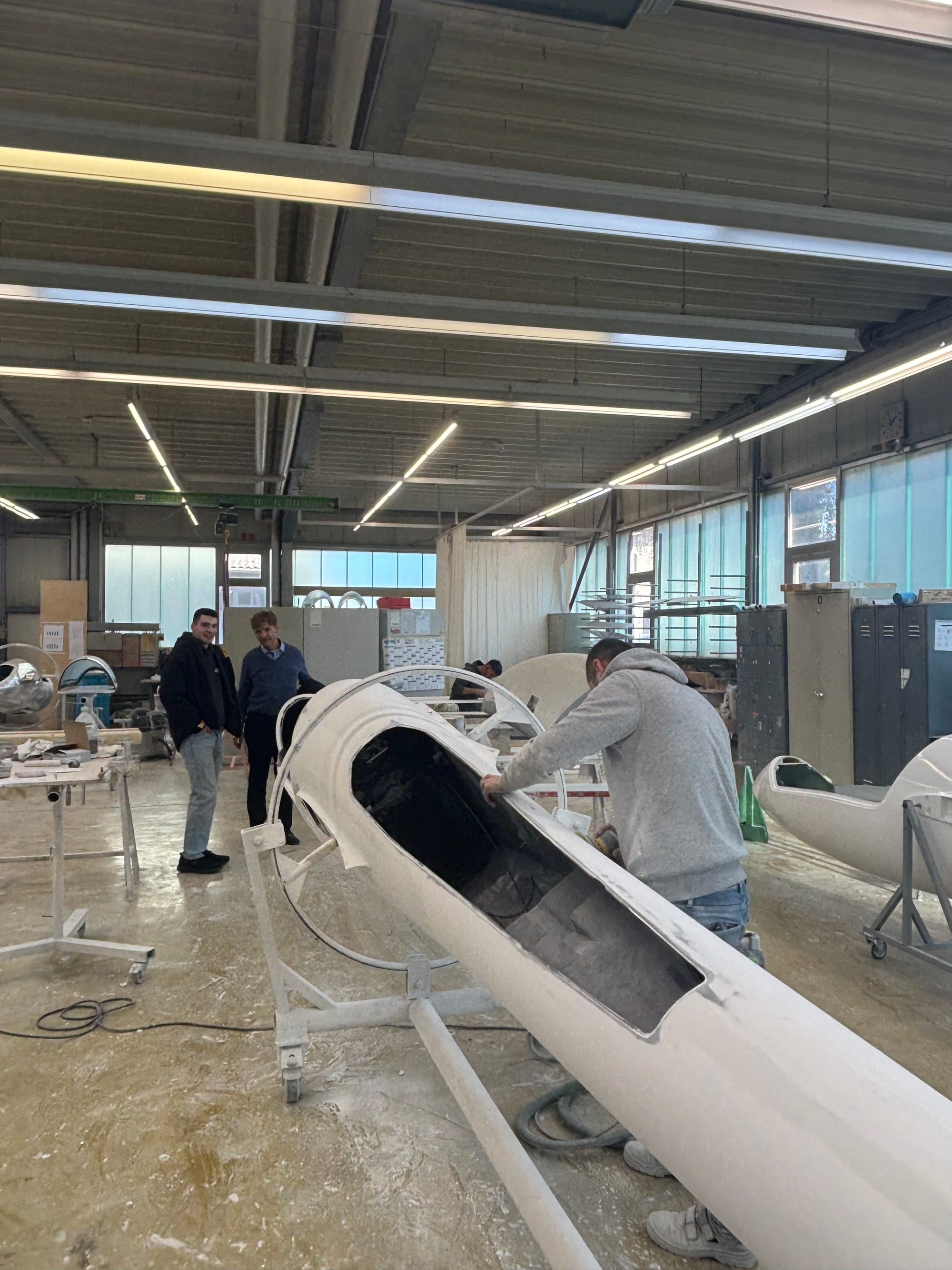
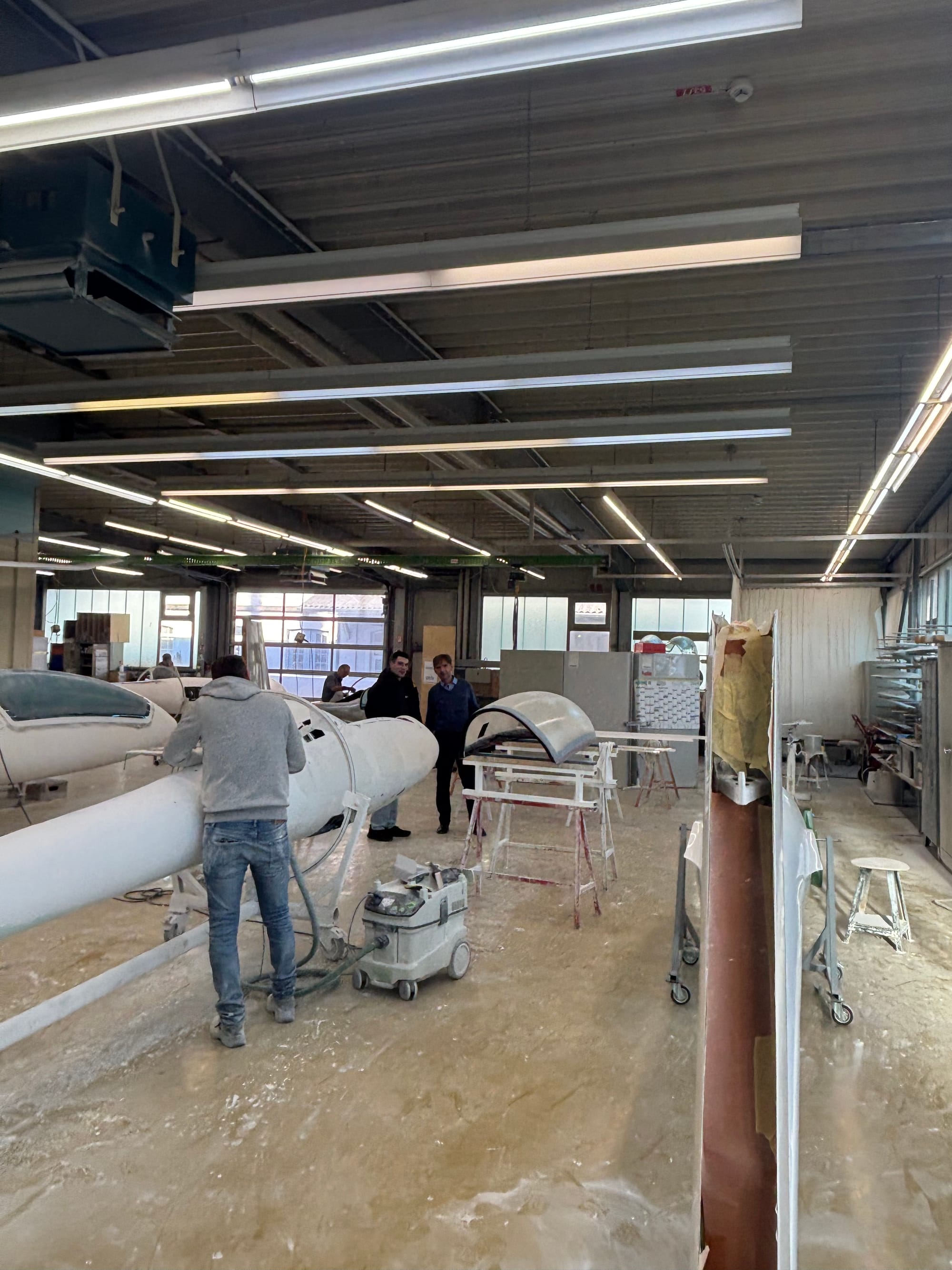
Painting and finish.
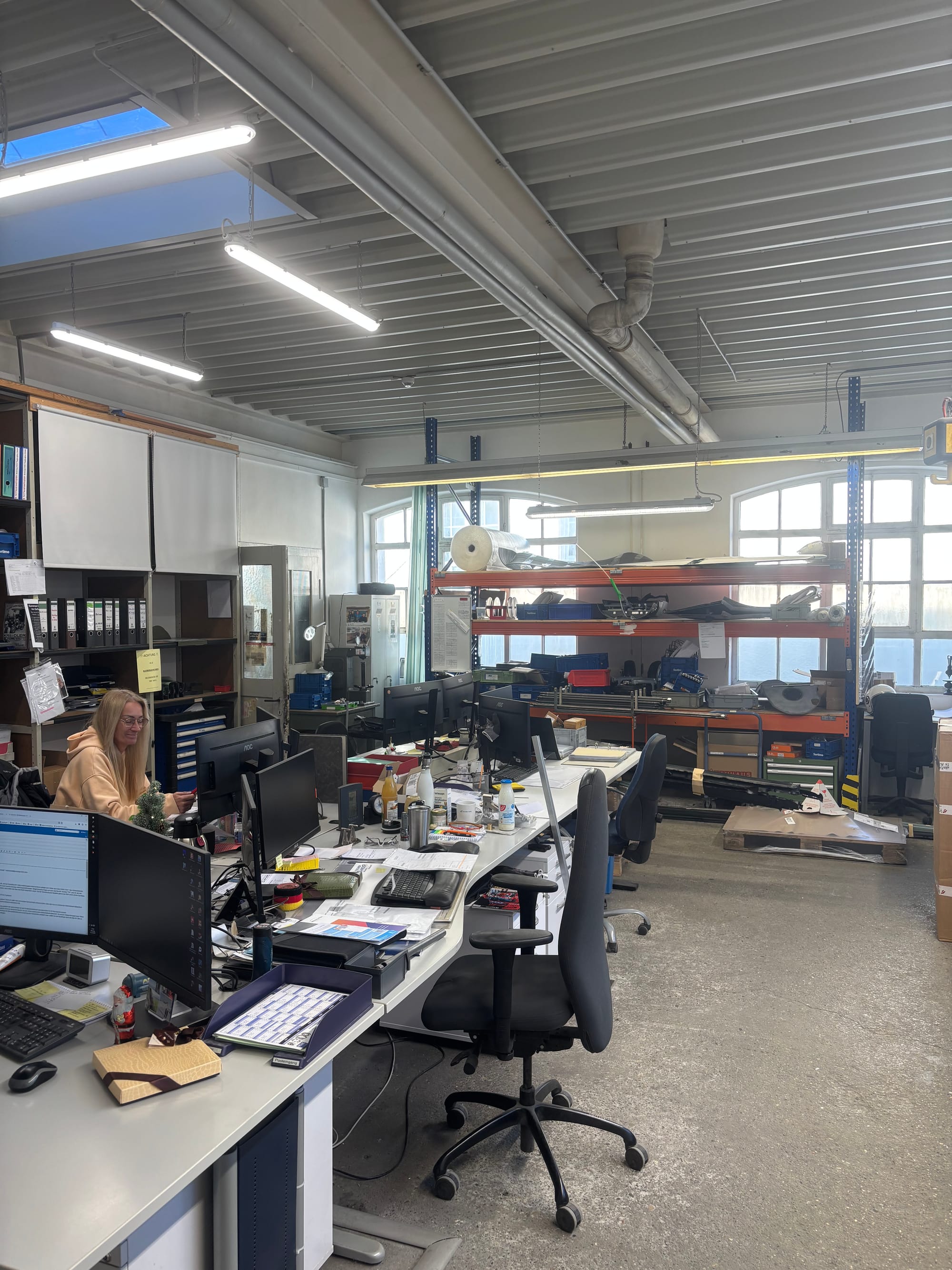
A topic affecting all manufacturers is bureaucracy. We saw massive piles of paper in the inspector's office.
The "Form One" and documentation requirements have exploded - I’d say this has increased tenfold. In the past, there was much more individual responsibility, and safety was just as high. Today, everyone has to cover themselves, from the authorities to us as the manufacturer. As the final authority, we take responsibility anyway, but we would love to do it with less bureaucratic overhead. Sometimes, the courage to make pragmatic decisions, like we had in the past, is missing.
Tilo, give us a compact overview of what happens when we order a Ventus today. What are the stages, and how long does it take?
We start with component manufacturing, which includes both metalwork (fuselage frames, fittings, and control systems) and composite parts (bulkheads, ribs, spar webs, spars, seat shells, engine boxes, and canopy frames). This phase alone represents several hundred hours of labor.
Next, we move on to the fuselage and wing construction, followed by the control surfaces. Our fuselages are built at our facility in Nabern. Depending on the aircraft type, these stages take roughly 300 to 400 hours—sometimes even more.
What follows is the control system installation and structural assembly. This is an incredibly meticulous process that requires nearly as many man-hours as building the major components themselves. The paint shop is another extremely labor-intensive area; roughly one-fifth of the total production time—and often more—is dedicated solely to sanding and finishing.
The final assembly then spans several weeks. This stage involves extensive inspections; essentially, every single one of the approximately 10,000 parts that go into a glider must be checked. Generally, it takes about six months for an aircraft to reach final assembly, though complex models can take significantly longer. The journey concludes with flight testing and final functional checks at the Hahnweide airfield.
By the way, our Service Department is also based at the Nabern location. Since it’s situated directly on the airfield, it’s very convenient: pilots can theoretically fly in directly for their service appointments.
What about the work that happens alongside the actual physical construction of the aircraft?
There is a vast amount of background work that often goes unnoticed. This includes the detailed configuration of the aircraft by our sales team, production planning, purchasing, logistics, and incoming goods inspection. Then there are specialized tasks like preparing the custom instrument panels in our avionics department, sealing the airframes, and getting the finished gliders ready for global shipping.
Furthermore, design engineering, prototype development, and mold making are continuous processes. We also have to maintain and occasionally repair our existing molds and production jigs, which isn't strictly part of "building" a new plane but is essential to keep the line moving.
On the other hand, we don't just build new gliders; we also produce a massive volume of spare parts and retrofit kits for the existing fleet. Another crucial area is the technical support for our legacy aircraft. Every day, several employees are dedicated to answering inquiries from aviation authorities around the world to ensure that older Schempp-Hirth models remain airworthy. This involves a significant amount of engineering, administrative, and logistical effort that happens entirely behind the scenes.
We are standing in front of the latest Ventus "E" with the Performance fuselage. What were the challenges of installing the electric drive in the larger fuselage?
Installation in the Performance fuselage is a bit more relaxed compared to the extremely tight Sport fuselage because we simply have more room. Although the fuselages look different from the outside, the internal "values" and the frame are very similar, allowing us to follow a common-parts strategy.
The real challenge is weight. The Performance fuselage is more comfortable (with features like the forward-opening canopy and adjustable backrest), but it’s also heavier. This puts tight limits on the weight of non-lifting parts—after all, the entire E-system with batteries weighs about 100 kg. To compensate for the tail-heaviness caused by the engine, we moved the batteries as far forward as possible.
Step-by-Step: Engine start in the Ventus 3 E Performance. English description below.
For the drive system, you use the SOLO system and your own propeller. What are the advantages?
Our propeller has a very large diameter, which significantly increases efficiency. We operate with more torque at lower RPMs—meaning it’s not only quieter but offers a better climb rate. Generally, we have more reserves in every direction compared to the competition.
Why is the controller liquid-cooled?
Since the controller sits in the fuselage behind the landing gear box, it’s very difficult to cool with air. Liquid cooling is a huge advantage when flying in extreme conditions, like we saw at the 2024 World Championships in Texas. Even in extreme heat, the system remains safely within temperature limits.
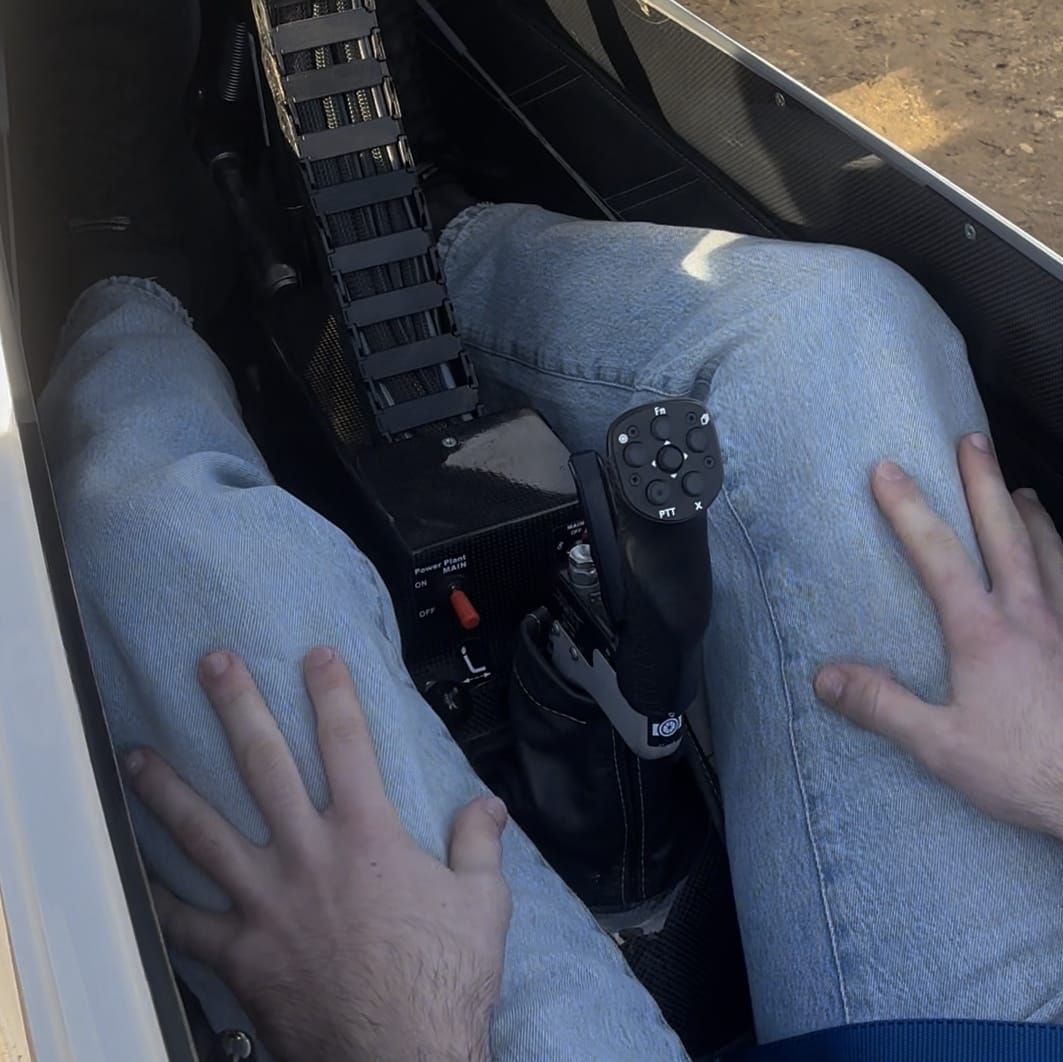
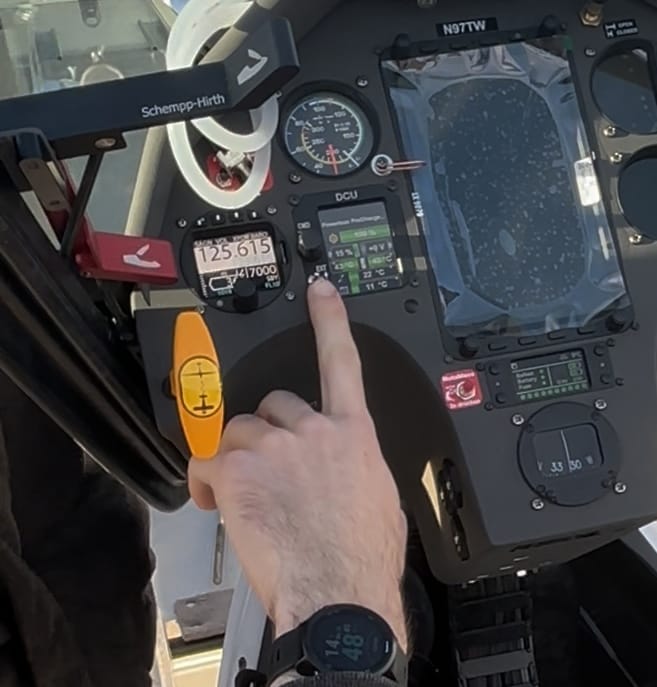
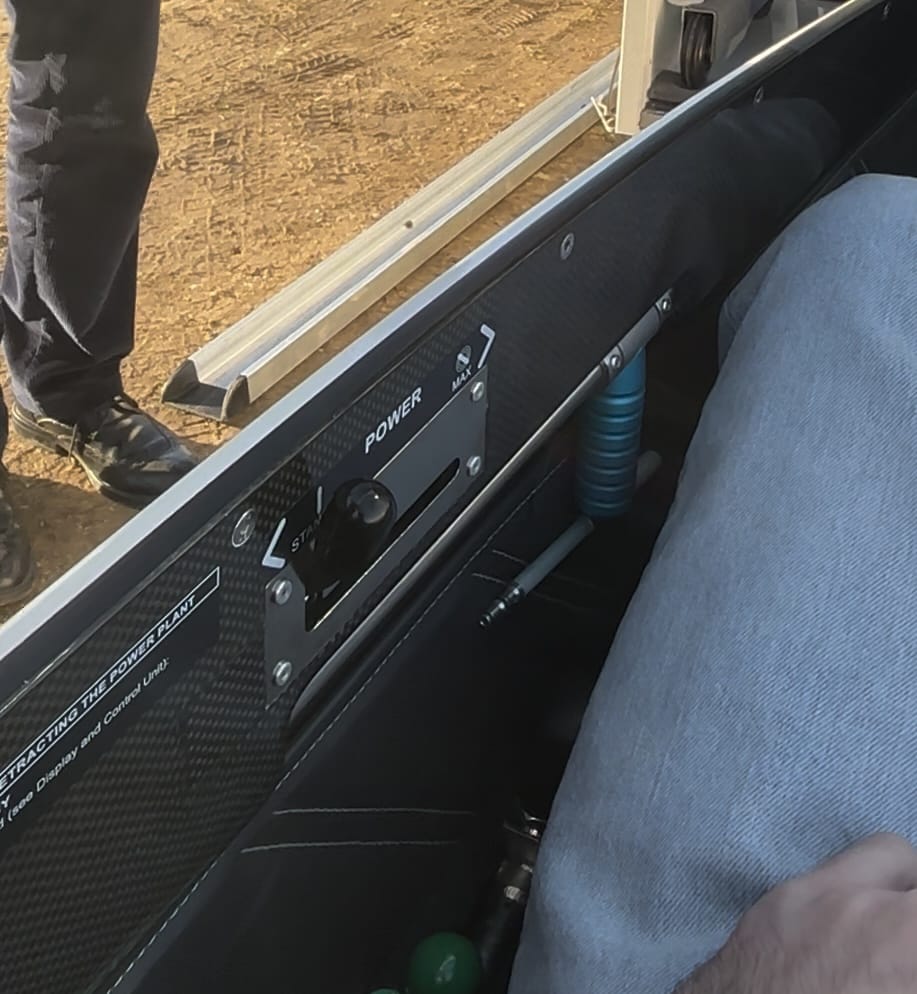
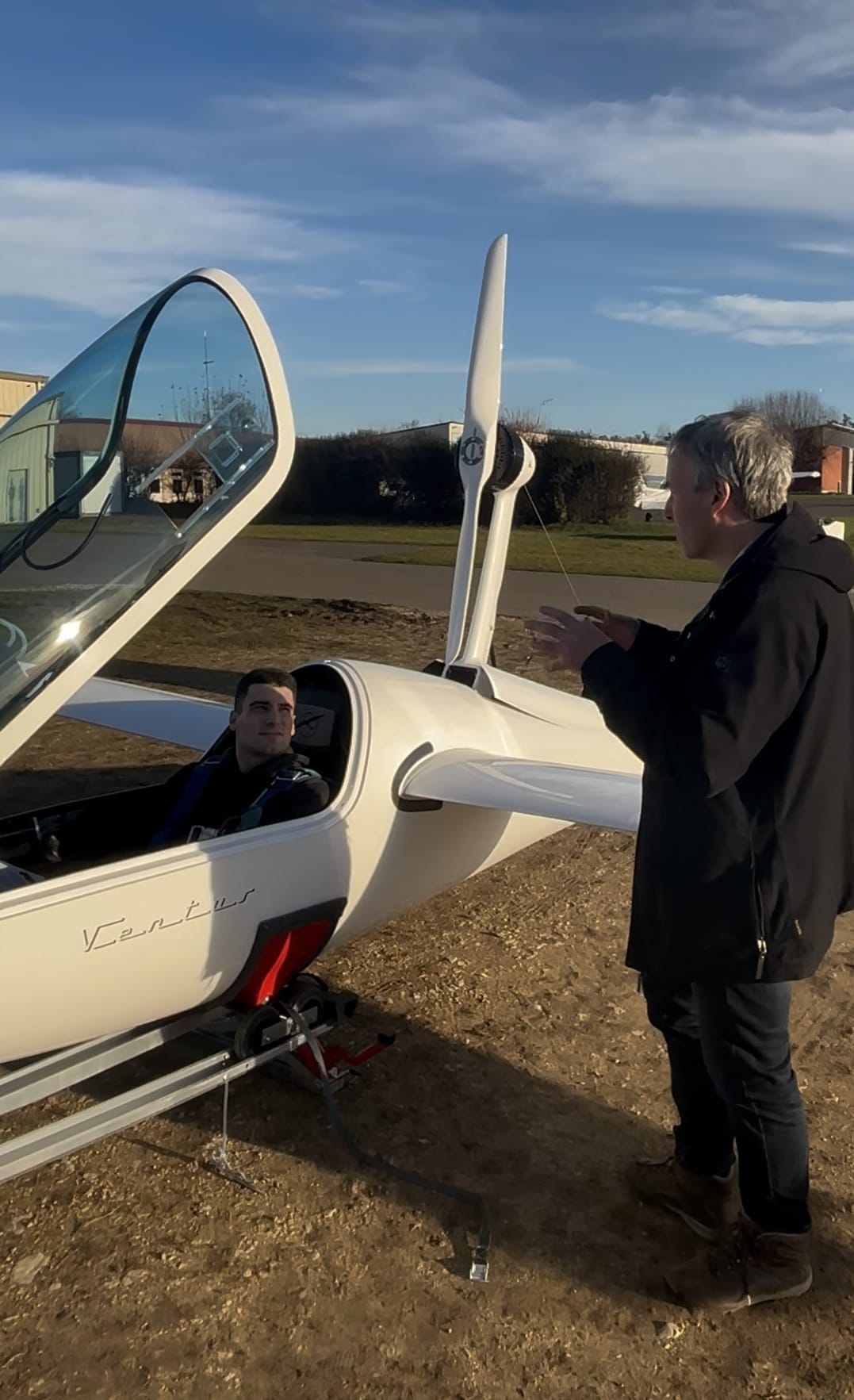
Mainswitch, control unit and throttle.
How would you describe the operation and safety of the battery system?
We utilize the well-proven SOLO control system. One of its key features is the clear distinction between "Flight Mode" and "Battery Mode." In Flight Mode, the system is designed to prioritize the pilot's situational safety; for example, it won't simply shut down automatically if the insulation monitor (ground fault detection) triggers a warning. We don't want to leave the pilot in a difficult or dangerous position while in the air. On the ground, however, when the system is in Battery Mode, the safety protocols are much more stringent to ensure maximum protection during maintenance and charging.
DCU startup.
How are the batteries removed?
That's super easy. Unplug, unlock and than simply lift them out of the fuselage. For charging we offer a charger optimized for stationary use. However, we are developing a compact version for all friends of "travel by glider".
Battery removal.
The new fuse system from Sotecc looks extremely clean. What are the benefits?
We wanted to move away from countless individual fuses on the panel. The Sotecc system provides ten electronic outputs that you can monitor and reset directly via the display. If a fuse trips in flight, you get a warning and can react immediately. It also has a built-in backup battery to ensure you still have radio and can drop water ballast even if the main batteries fail.
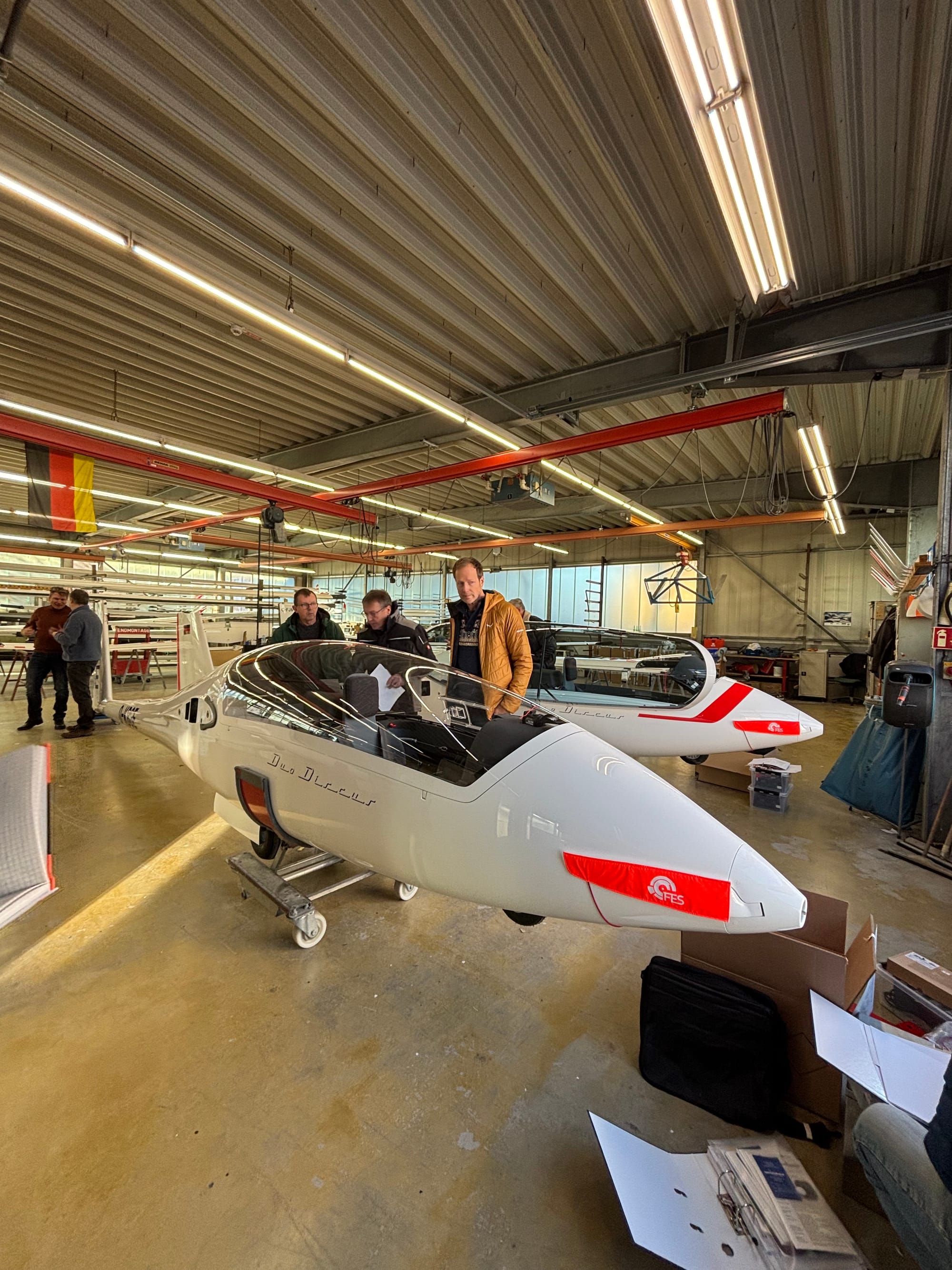
About retrofits: You are also working on an FES for the Discus 2b?
The prototype is almost finished. We are currently waiting for the Permit to Fly. The Discus 2b will use the same battery system as the Ventus or Discus 2c FES, which is now in its 4th generation. Our goal is to go into series production by mid-next year. The concept has huge potential, especially for clubs.
How about the Arcus?
Technically, an Arcus FES would be very straightforward to implement. At the moment, demand remains relatively low because most Arcus pilots still prefer the independence of a self-launching engine. However, the concept of "hybrid soaring"—using electric sustainers to extend a flight or get home safely—is becoming increasingly attractive. I could certainly see an FES version of the Arcus becoming a reality in the future.
Do you offer aerodynamic updates for older models?
Yes. Soon, there will be new outer wings for the Discus 2. This new generation features an additional wing rise and significant sweep-back, similar to the latest Maughmer winglets on the Ventus and Arcus. We expect a significant performance gain, especially at low speeds while thermalling with high wing loading.
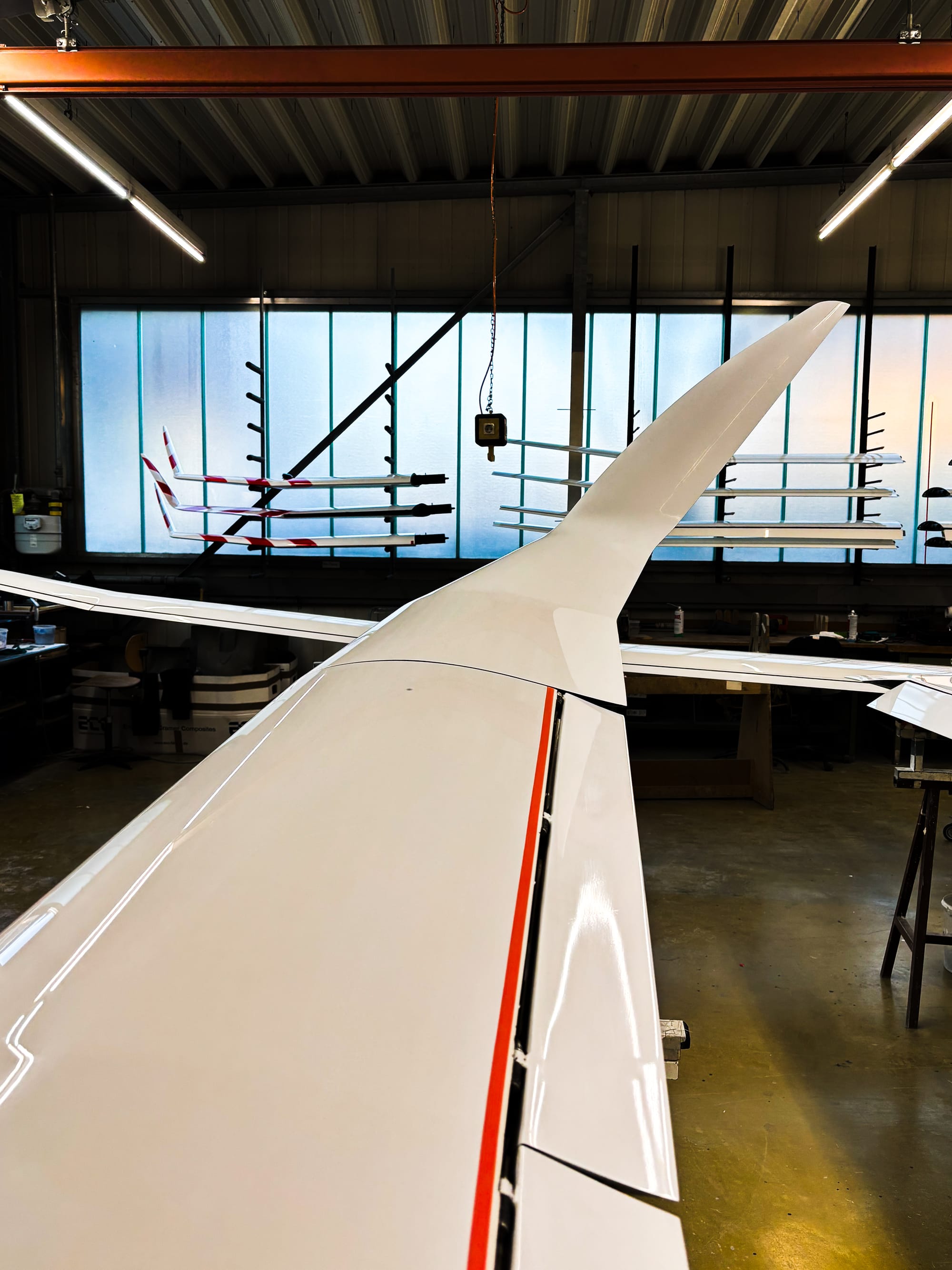
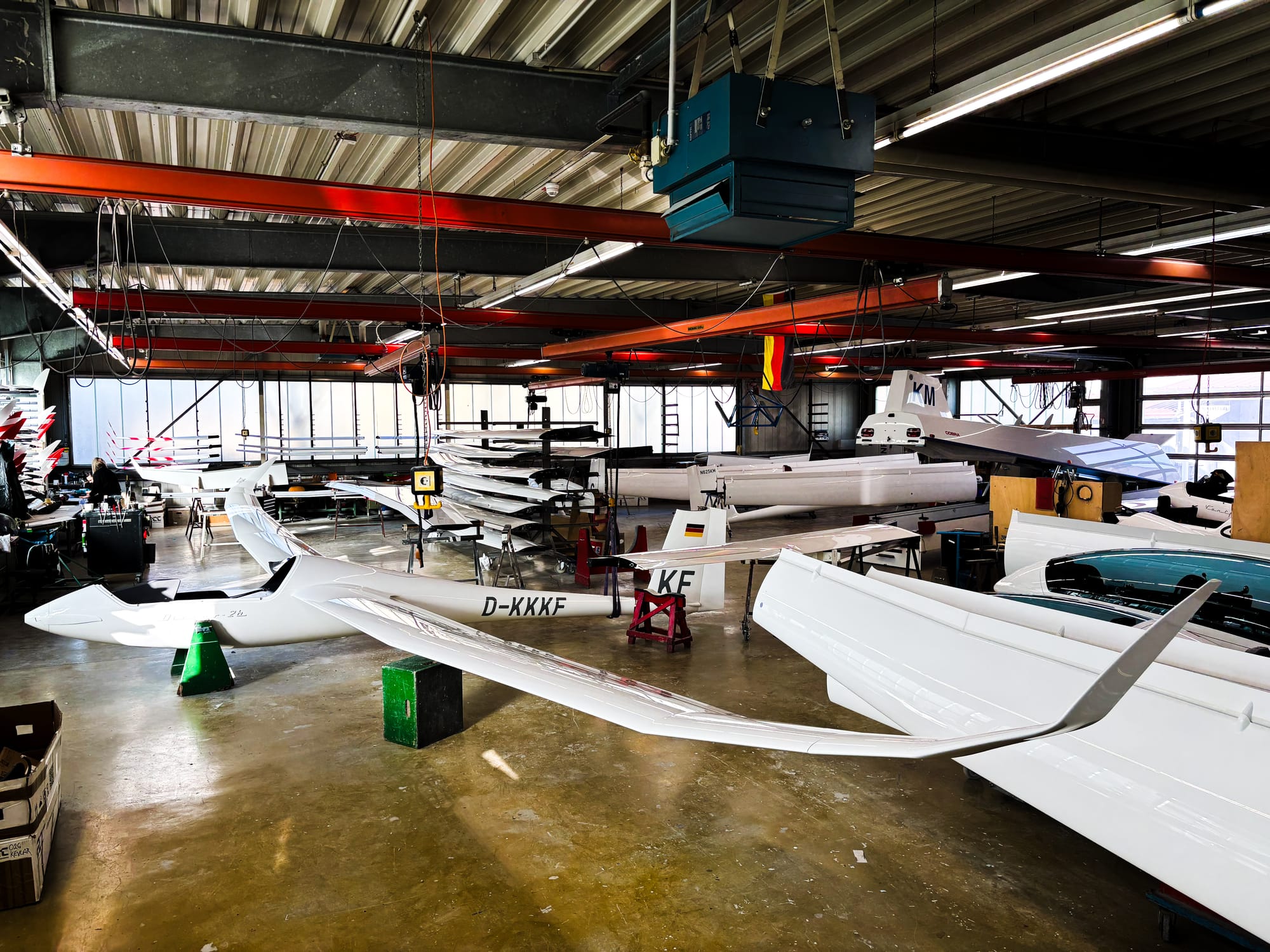
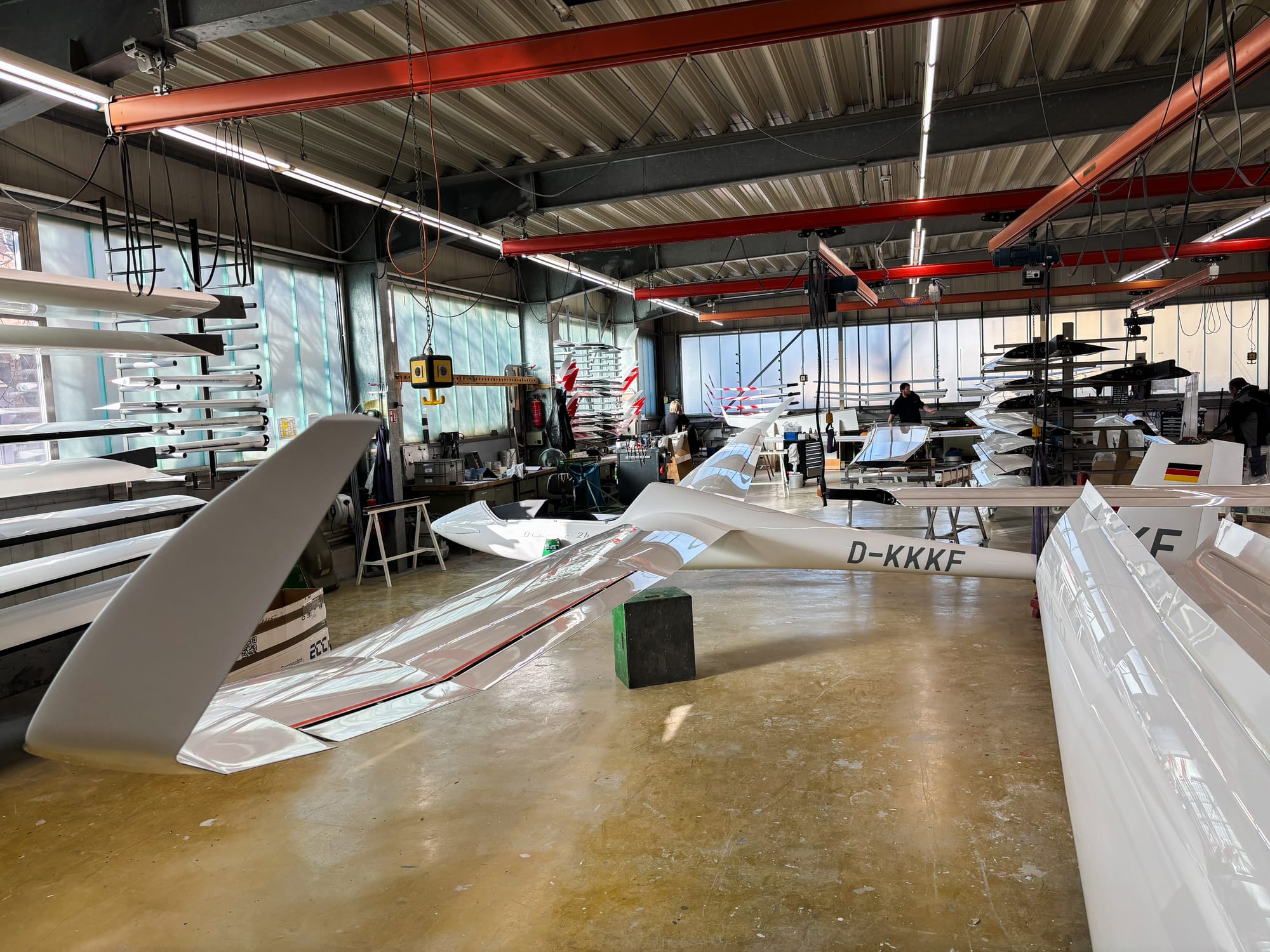
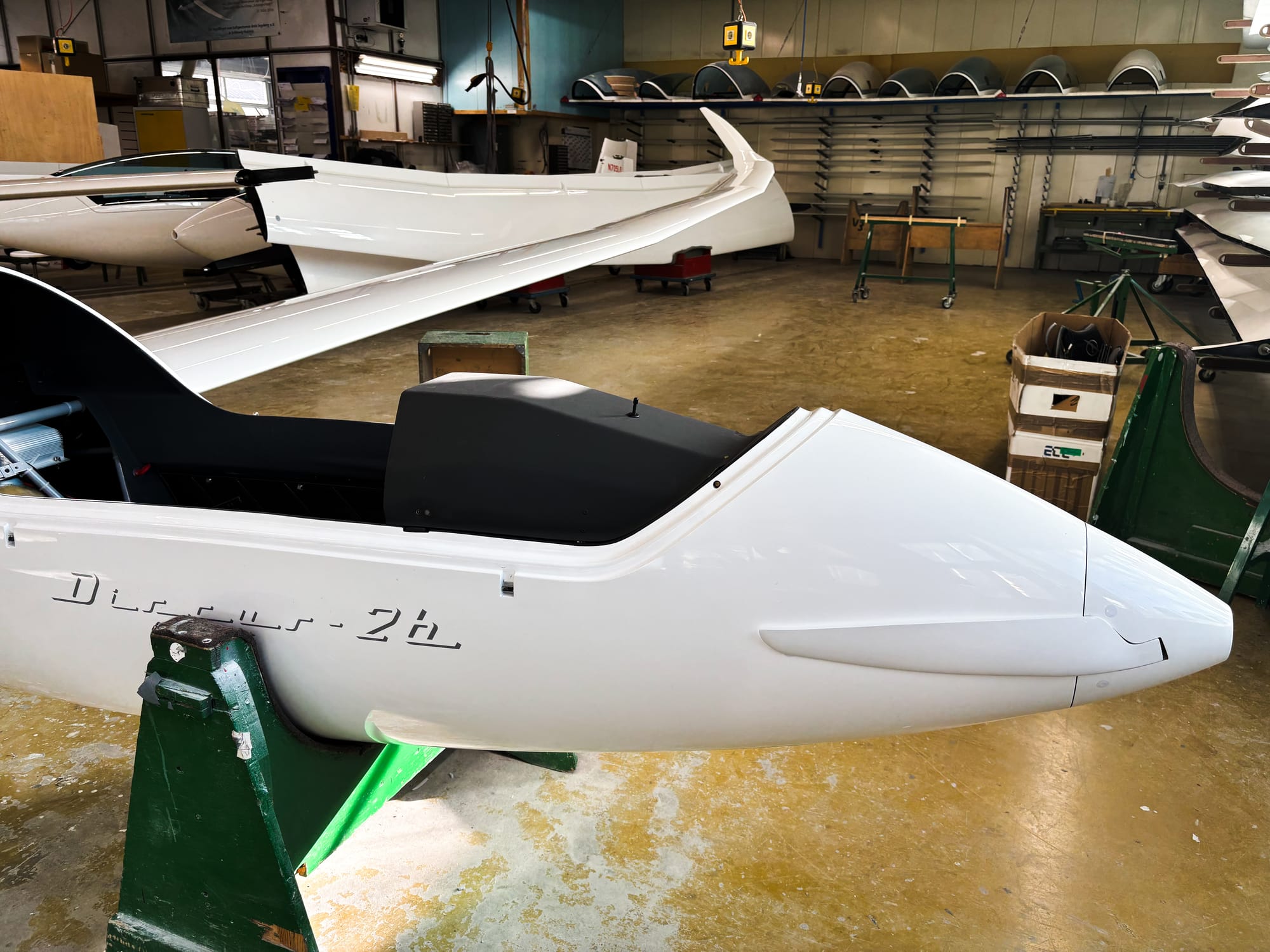
The first Discus 2b fes - equipped with new winglets.
Finally: How do you see the future and sustainability at Schempp-Hirth?
For me, sustainability means building aircraft that live a long time. A glider shouldn't just be good for the current World Champion; it should still make pilots happy decades later. You can’t actually afford a "cheap" airplane when you consider depreciation. Our aircraft are designed to retain their value and fascination for decades.
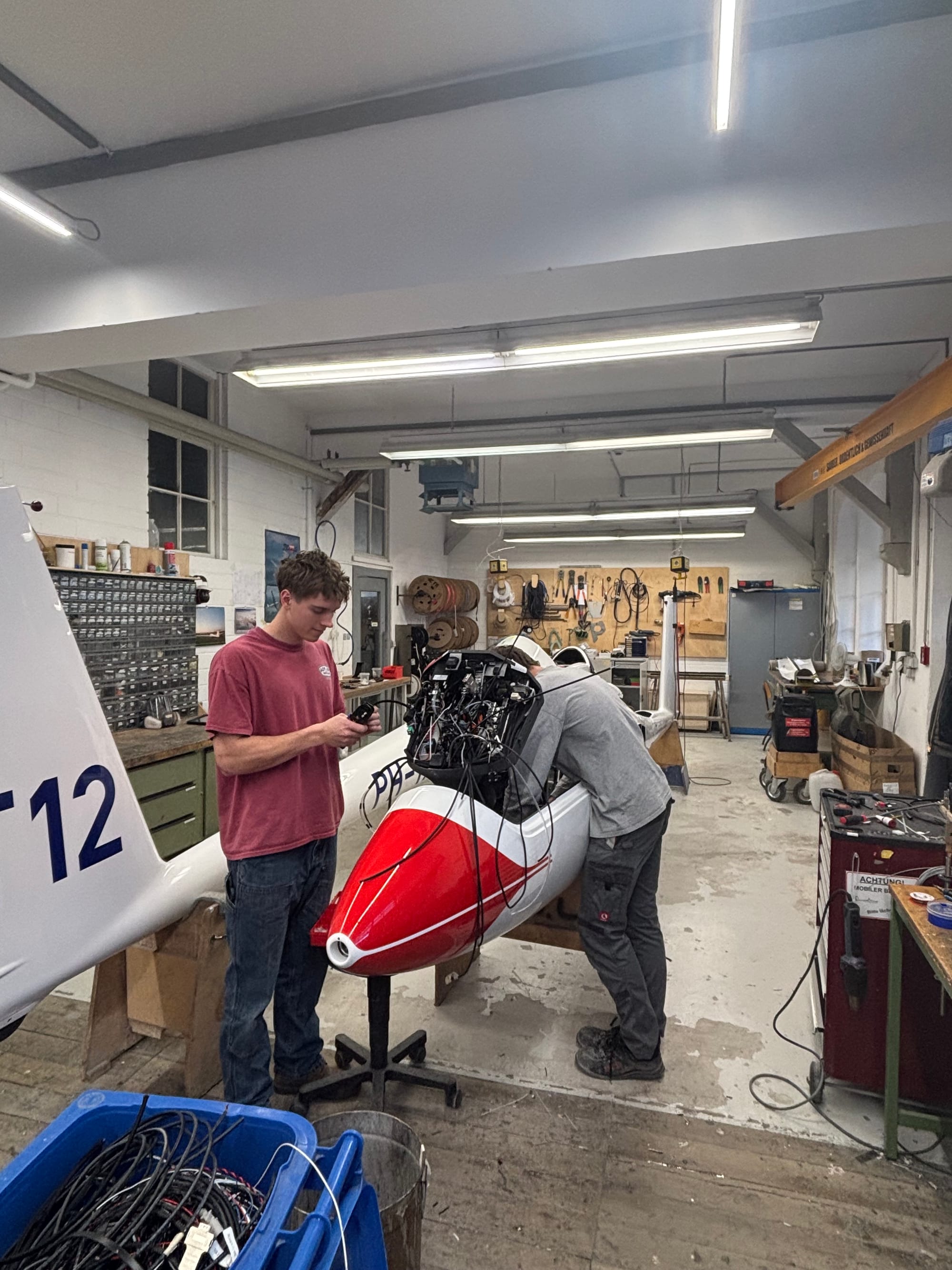
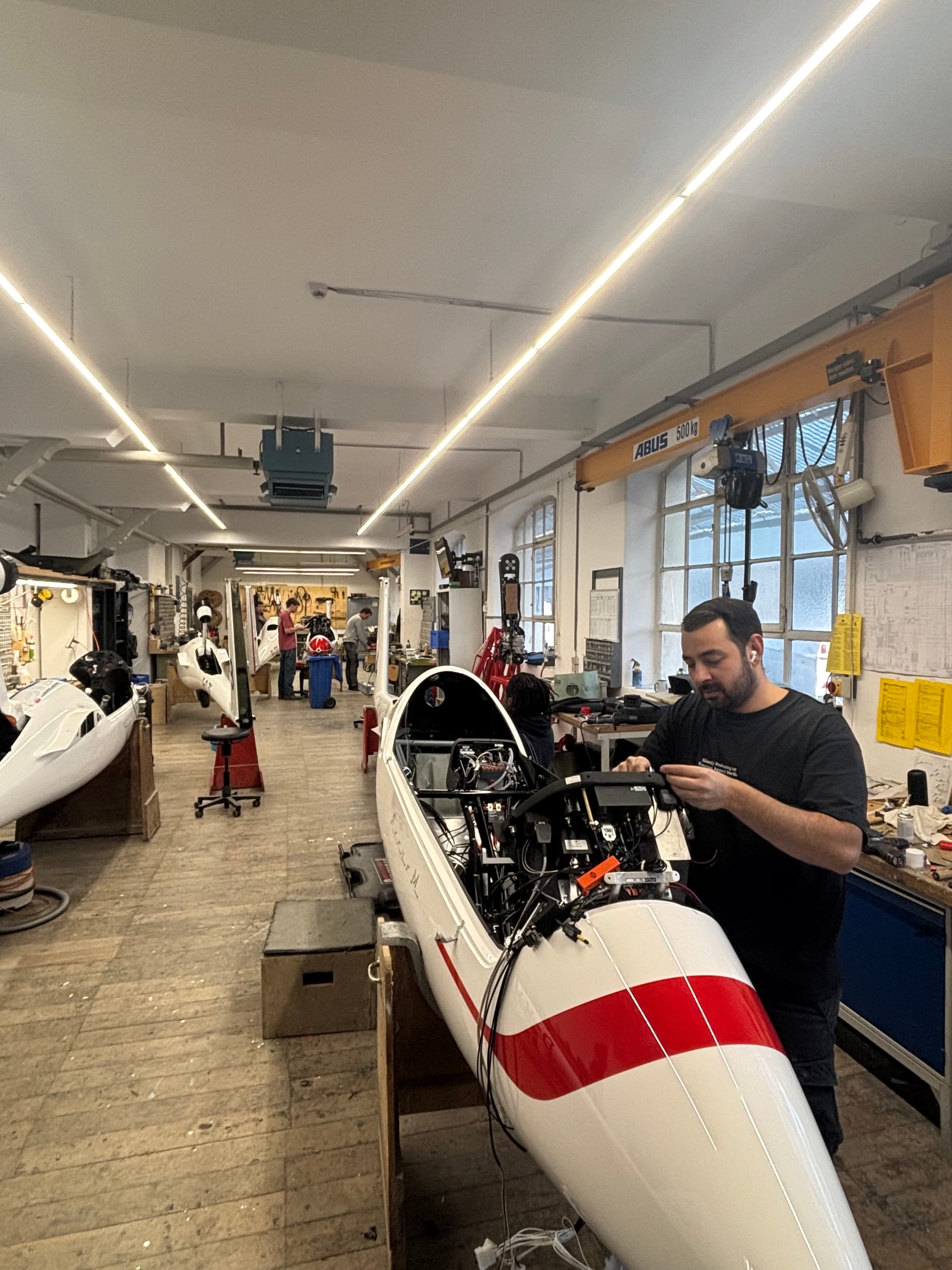
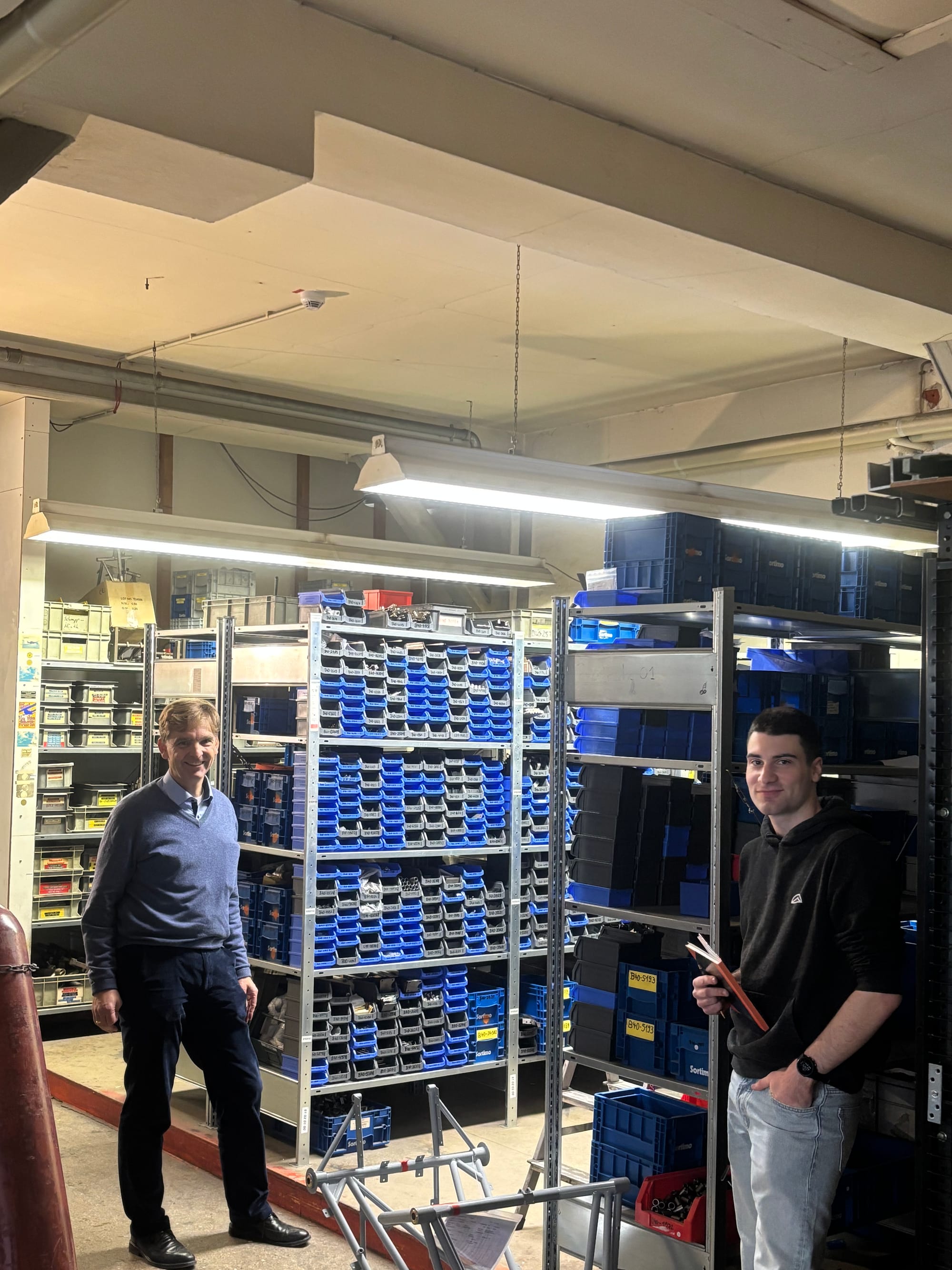
Left: Insights at engine and instrument installation. Right: Storage.
Thank you for the amazing insights, Tilo!
WeGlide. Innovations for the sport. Help us advance gliding:
If you would like to receive articles like this directly via email, you can sign up in your profile.